

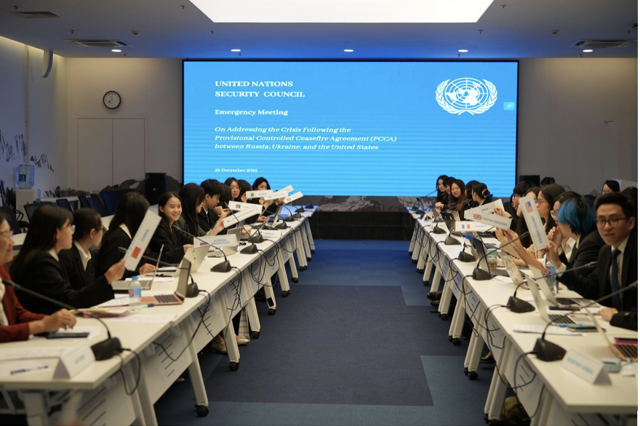
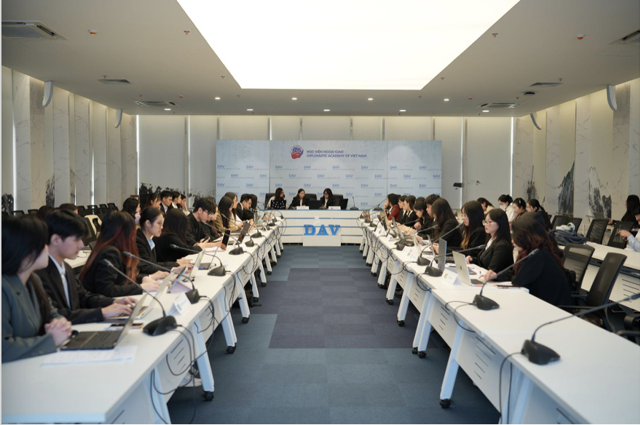
This simulation constituted a key component of the course’s final assessment, aiming to enable students to apply theoretical knowledge concerning the structure, functions, and operational mechanisms of the United Nations. Through the processes of preparation, debate, and scenario-based decision-making, students were able to develop and strengthen essential skills in legal analysis, critical thinking, teamwork, and finding solutions to emerging issues in the field of international law.
A forum for intellectual exchange and diplomatic skills development.
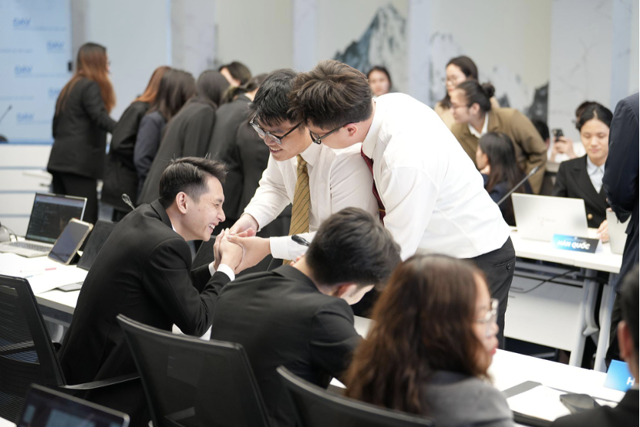
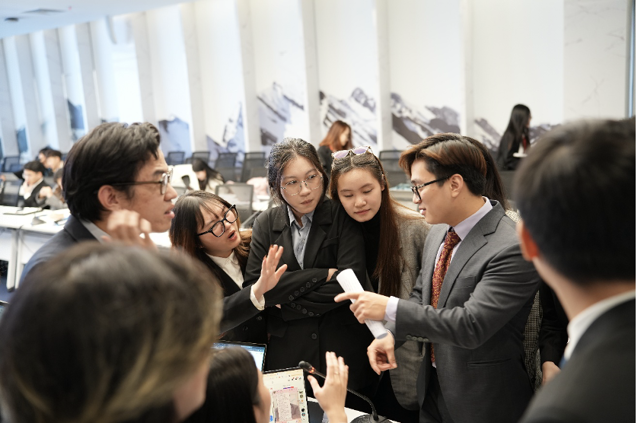
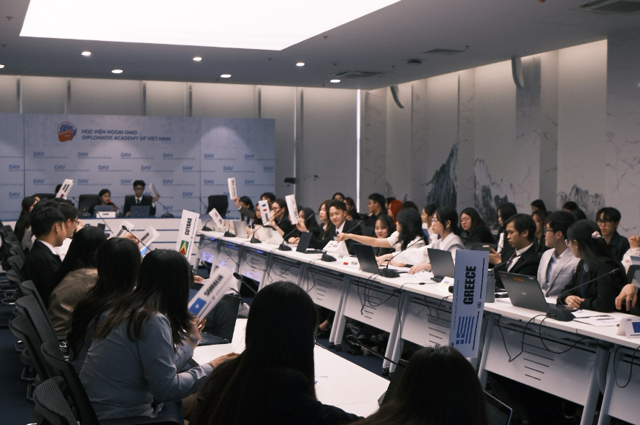
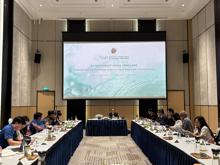
The simulation scenario was based on the crisis in the Russia-Ukraine border area. During the exercise, students assumed the roles of ambassadors, representing members of the Security Council as well as other relevant States and entities, including the European Union, Ukraine, and Poland. They demonstrated a high degree of role immersion, persuasive advocacy, and professional conduct. Moving beyond passive learning, participants acted as representatives of national positions, articulating and defending viewpoints anchored in national interests, core strategic priorities, and clearly defined non-negotiable red lines within the given context. Throughout the session, students strictly observed the procedural rules and working methods of the United Nations Security Council, encompassing agenda adoption, the conduct of deliberations, and the careful negotiation of each provision of the draft resolution.

The activity was implemented across three classes, each conducting an independent session based on the same simulated scenario. Despite the shared factual background, each meeting unfolded with distinct approaches, dynamics, and discussion outcomes. While the sessions were marked by seriousness, goodwill, and professionalism, moments of heightened tension arose as delegations expressed divergent positions and conflicting interests.
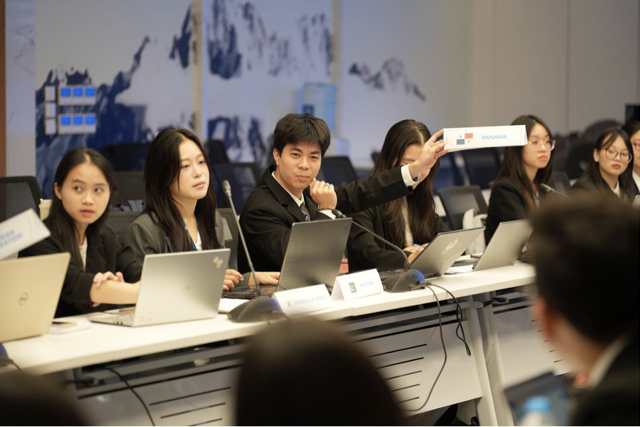
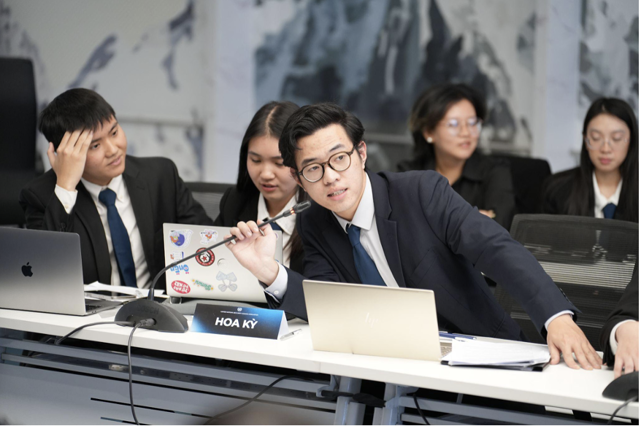
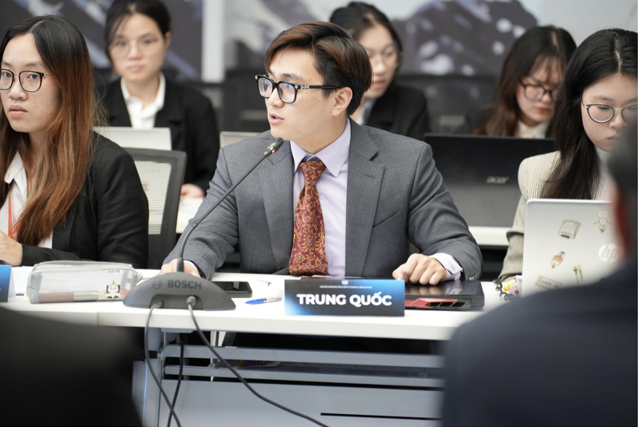
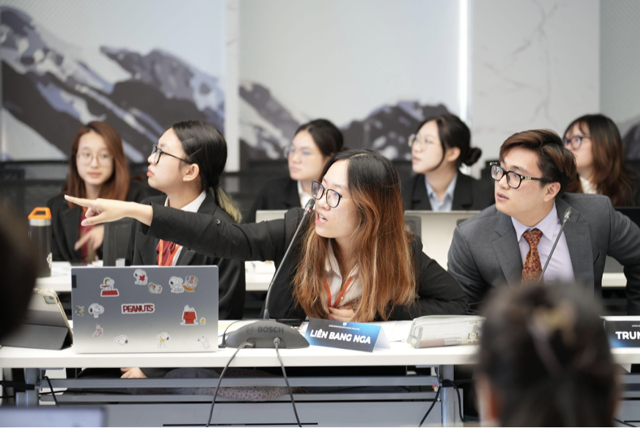
In addition to formal plenary discussions, delegations actively engaged in informal consultations, diplomatic outreach, and multilateral coordination efforts aimed at fostering compromise and consensus. Throughout this process, students were required to identify the core interests of each delegation, formulate appropriate negotiation proposals, and persuade other delegations to support the draft and the Resolution voting.

Academic Value of the Simulation Exercise
Despite considerable efforts and goodwill in negotiations, not every session resulted in the adoption of a Resolution. The varying outcomes across the three meetings realistically reflected the complexity and intensity of multilateral diplomacy, where national interests and political principles cannot always be reconciled within a limited timeframe. More importantly, by directly engaging in and experiencing the negotiation process, students gained deeper insights into the functioning mechanisms and practical realities of the United Nations Security Council. The integration of theoretical learning with hands-on simulation not only enhanced students’ comprehension and retention of knowledge but also contributed to the development of core professional competencies essential for future international law practitioners in a professional legal environment.
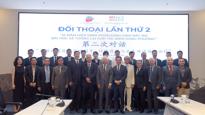
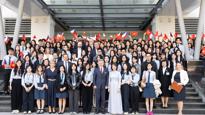
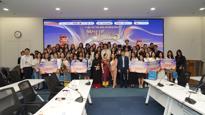
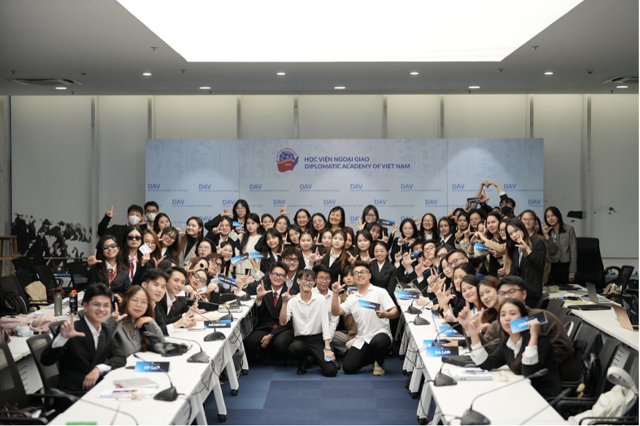
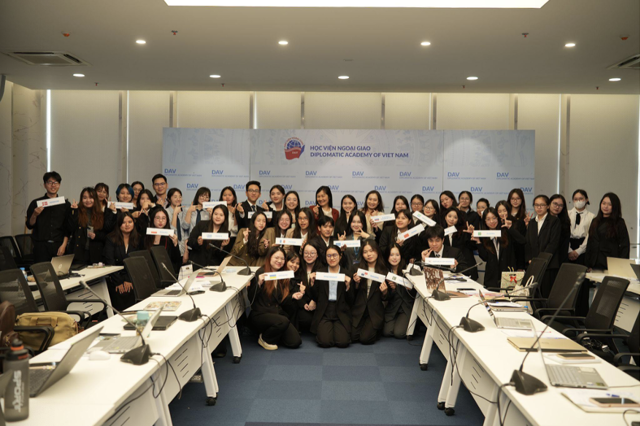
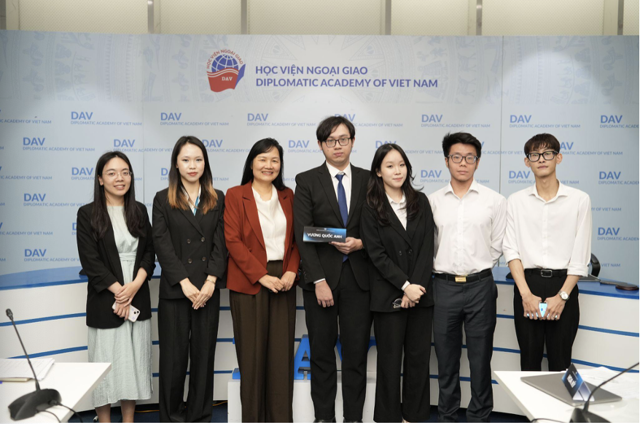
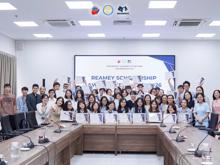
As the sessions concluded after intensive and demanding deliberations, delegations came together to capture memorable moments. These images are regarded as lasting reminders of a dynamic and meaningful learning activity, reflecting the dedication, effort, and serious engagement of students throughout their study of the Law of International Organizations.






Copyright ® 2026 Học viện Ngoại giao - Diplomatic Academy of Vietnam | Điều kiện | Bảo mật