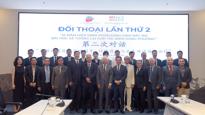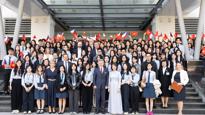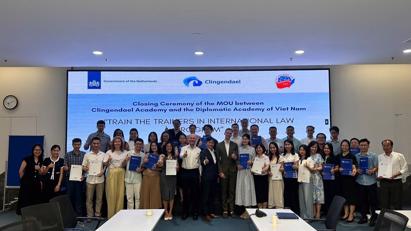



Through the keynote sessions, leaders and senior officials from Indonesia, Australia, the United Kingdom, European Union, and Canada highlighted the support for maintaining a peaceful, stable, prosperous region, for ensuring maritime safety and security, and that the South China Sea is their priority. Leaders emphasized the importance of compliance with international law and encouraged international cooperation. The ASEAN SOM leader of Indonesia stressed that ASEAN’s centrality will contribute to promoting peace, stability and prosperity in the South China Sea.
Assessing global and regional situation, there are many opinions that in the current strategic environment, the truly “multipolar” world order no longer exists as before World War II; the international order and the trend of peaceful coexistence are challenged. The South China Sea still has many potential risks of militarization and unilateral behavior against the backdrop of US-China strategic competition. In addition to traditional and non-traditional security challenges, several new challenges have emerged, including the trend of undersea warfare, the use of undersea infrastructure in military or non-military activities which increase threats to freedom, safety and security at sea.
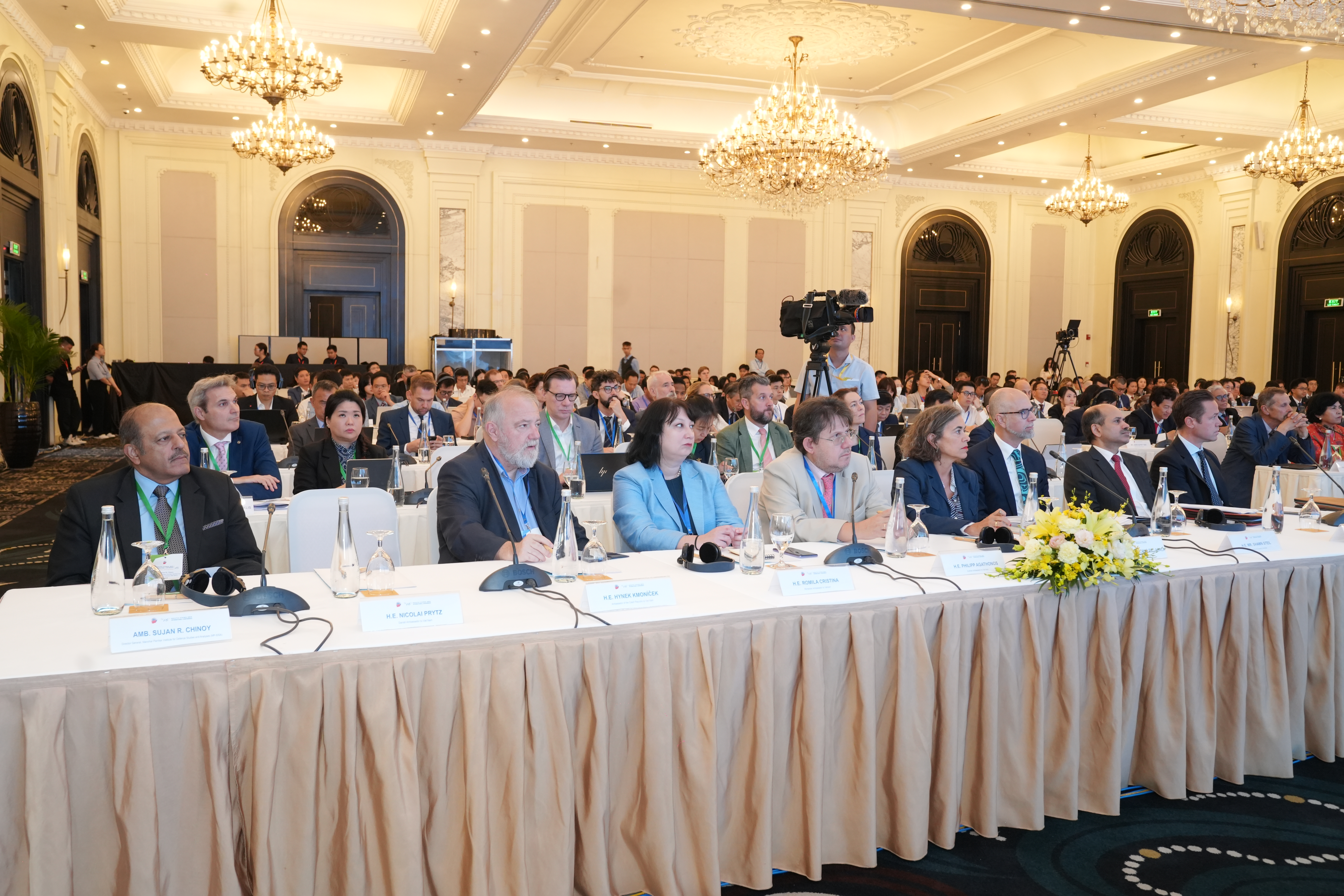
Many scholars opined that although ASEAN is facing many challenges, the Association should not avoid difficulties but strongly affirm its role, contribute to peace and stability, and help all parties to coexist peacefully. Some also called on ASEAN to further promote the spirit of the Treaty of Amity and Cooperation to control regional conflicts. On the occasion of the 70th anniversary of the Bandung Conference in 2025, some also called for reviving the Bandung spirit, finding a formula for competing parties to coexist peacefully. The majority emphasized that ASEAN needs to maintain its “centrality” and solidarity, while promoting multilateral diplomacy based on international law, through innovative approaches, appropriate policy adjustments, improving mechanisms and strengthening and diversifying partners.
Scholars discussed common challenges to international safety and freedom of navigation, emphasizing that the Red Sea and the South China Sea bear many similarities. Many lessons and experiences were shared; including promoting the role of international organizations such as the International Maritime Organization (IMO). The Israeli scholar said that 10 years ago, no one thought that non-state actors could change the game in the Middle East as they do today, suggesting that this be a lesson that Southeast Asia should not overlook.
The 16th South China Sea International Conference on the occasion of the 30th anniversary of the 1982 United Nations Convention on the Law of the Sea (UNCLOS). Judge Hidehisa Horinouchi of the International Tribunal for the Law of the Sea (ITLOS) affirmed the importance of the Convention. UNCLOS continues to evolve to regulate new issues such as the Area – international seabed, fish stocks, conservation and sustainable use of marine biodiversity, and climate change. To adapt to new issues, the Judge pointed out three ways: through implementing documents, negotiating new agreements or through case law or advisory opinions delivered by international courts and tribunals. Legal experts believed that UNCLOS needs to be interpreted and applied in good faith. It is also suggested that to ensure UNCLOS, there should be the participation and commitment of major powers, including the United States; and regional countries like Cambodia should also ratify UNCLOS.
In terms of the obligation of non-use or threat to use of force, scholars voiced concerns about the increasing “grey zone” activities in the South China Sea and the tendency to turn to “darker” shades, towards “use of force”. Some argued that international law, despite existing “loopholes”, is still important in resolving disputes and controlling “grey zone” activities in the South China Sea. It is widely supported that countries need to boost common understanding and reach consensus, ensure transparency, comply with international law and resolve disputes by peaceful means through negotiations and non-use of force; at the same time, countries must limit any actions that may complicate disputes.
Scholars reckoned that emerging technologies such as artificial intelligence (AI) can change ships operations at sea; leading to hard-to-handle challenges to cyber security, breaking strategic balance. However, many believed that international community should not deny emerging technologies’ economic and environmental benefits, such as reducing fuel consumption and improving operational efficiency of new technologies. It is important that users must use technologies responsibly and safely. It is also necessary to develop regulations to ensure effective operation of technology while prevent the risk of an arms race using AI, or even using AI in conflict.
Discussing policy approaches, most scholars concured with using diplomatic and cooperative measures to maintain regional peace and stability and address regional and global challenges, helping to achieve sustainable development goals. Some regional scholars believe that diplomacy will be more effective when combined with defense. A European scholar said that more and more European countries are taking positive and effective actions in the South China Sea despite limited capacity. This engagement affects defense procurement programs integrated with more modern technology that help EU countries to possess powerful naval forces in the future.
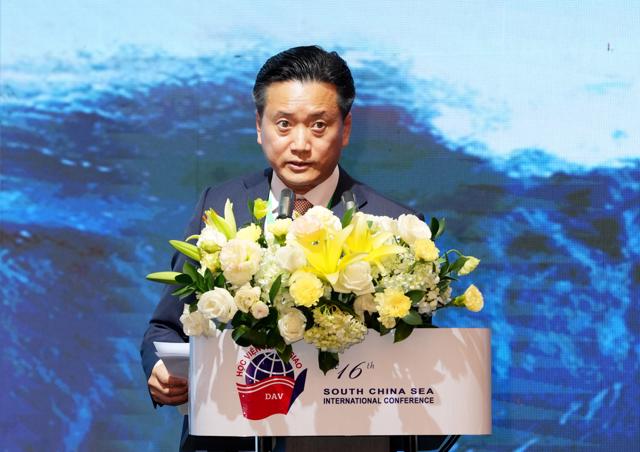
Wrapping up the 16th South China Sea International Conference, Dr. Nguyen Hung Son, Vice President of the Diplomatic Academy of Viet Nam, delivered his closing remarks. Accordingly, he agreed that although the international community has confronted complex and often competing narratives, we share a collective commitment to upholding the rules-based order and recognize the need that these norms be evolved to remain fit for purpose, to ensure that they address the realities of modern challenges. There are still many tools to manage tensions: diplomacy, international law and common commitment and peaceful cooperation. The role of ASEAN, as the incubator and caretaker of regional norms, becomes ever more critical. ASEAN needs to continue upholding its centrality in consolidating norms and promoting compliance with principles to ensure regional peace and stability.
On the sidelines of the main conference, a Special Session titled “Next Generation Narratives on Maritime Security” was also organized with presentations of young global scholars from the Young Leaders Program of the South China Sea International Conference. The goal of the Young Leaders Program is to nurture the next young scholar generation can actively contribute to regional peace, stability and cooperation in the future./.







Copyright ® 2026 Học viện Ngoại giao - Diplomatic Academy of Vietnam | Điều kiện | Bảo mật