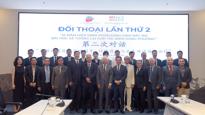


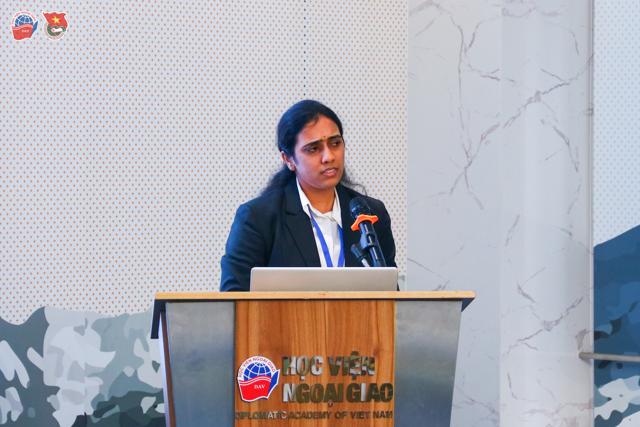
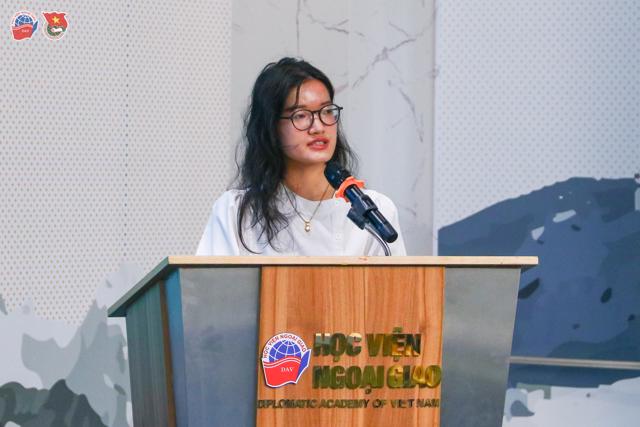
During the plenary session, the presented research papers underscored emerging trends in international law, reflecting a shift from traditional approaches toward more flexible and adaptive thinking in the context of globalization. Scholars highlighted the increasingly proactive role of international courts in interpreting the law-particularly in areas such as environmental protection, human rights, and national sovereignty. They also examined practical issues, including diplomatic protection in cases of dual nationality, Asia’s responses to refugee norms, and the notion of neutrality in international conflicts. These discussions demonstrated how Asia is shaping a distinct legal identity that balances sovereignty, humanitarian considerations, and global responsibility.

Building on that momentum, the second session explored the legal and ethical implications of artificial intelligence (AI) in armed conflict and global governance. Scholars agreed that while AI offers potential benefits for humanitarian assistance, significant legal gaps remain-particularly concerns that human responsibility for compliance with International Humanitarian Law may erode. From a broader perspective, research on digital colonialism pointed to growing inequalities among states in controlling data and digital infrastructure, calling for the strengthening of data sovereignty as well as fairness and humanity in the global digital space.
Within the same session, regional cooperation under ASEAN frameworks was examined in depth, especially in the areas of environmental protection, waste management, and sustainable development. Presenters emphasized the importance of information sharing, capacity building, and reinforcing common commitments to foster a stable, secure, and sustainable region. The studies also addressed the cultural, social, and information-security impacts of digital transformation, reaffirming the need to safeguard data and enhance regional connectivity in the digital era.
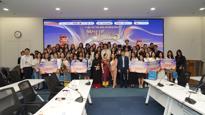
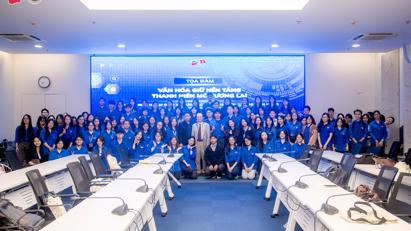
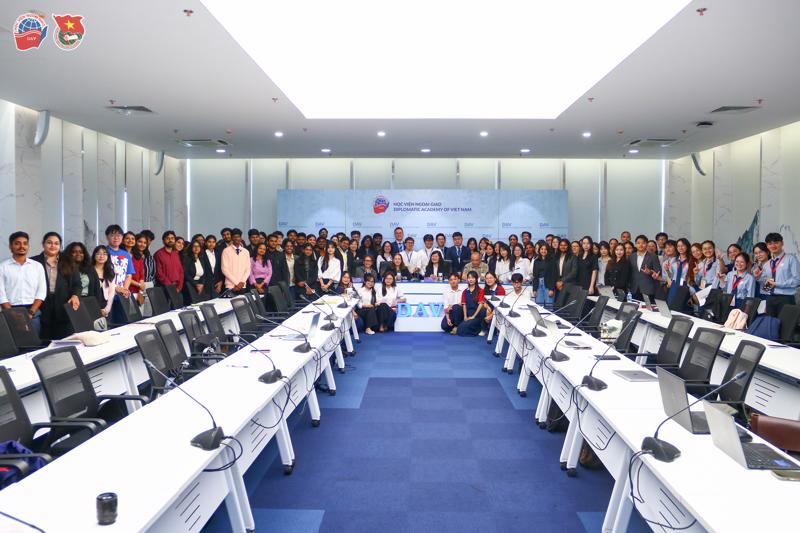
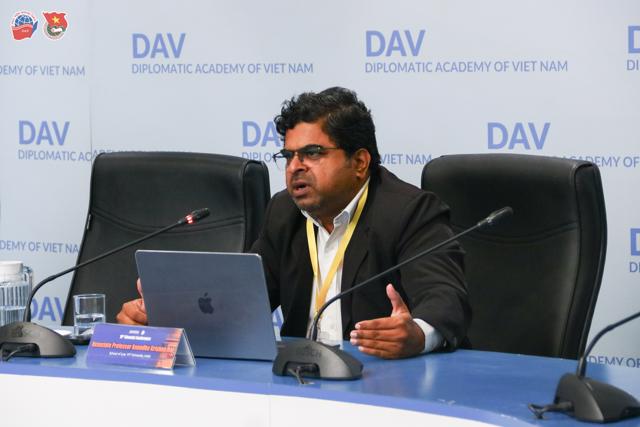
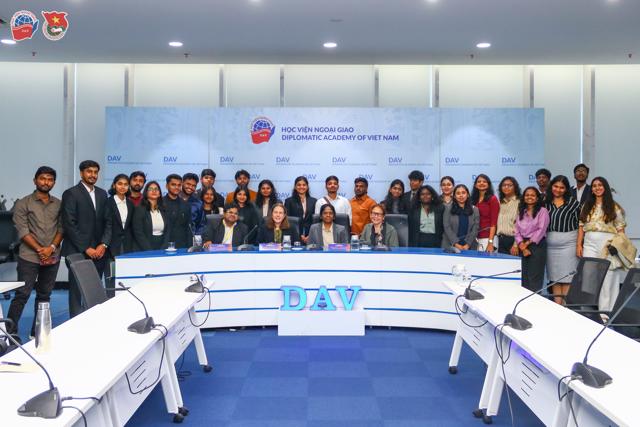
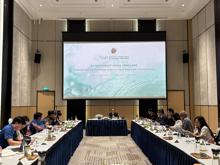
Following each session, the workshop allocated time for discussion and Q&A, drawing enthusiastic participation from scholars, experts, and students from Vietnam and abroad. Numerous in-depth questions were raised, focusing on the application of legal theory to practice, addressing emerging legal challenges, and shaping the future trajectory of international law in the digital age. Speakers directly engaged with participants, clarifying key issues and sharing diverse academic perspectives, thereby enriching the discussions and showcasing an open, dialogic, and collaborative scholarly spirit.
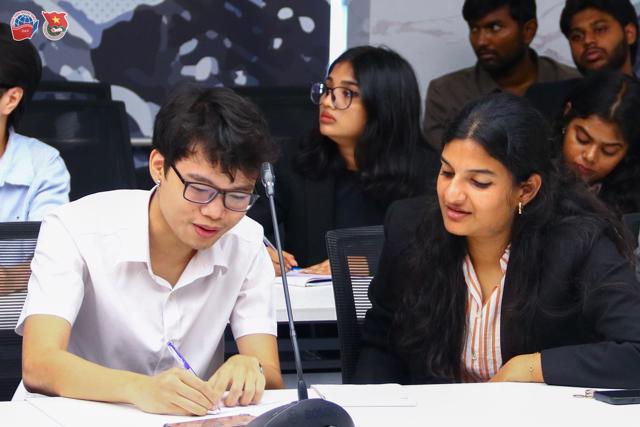

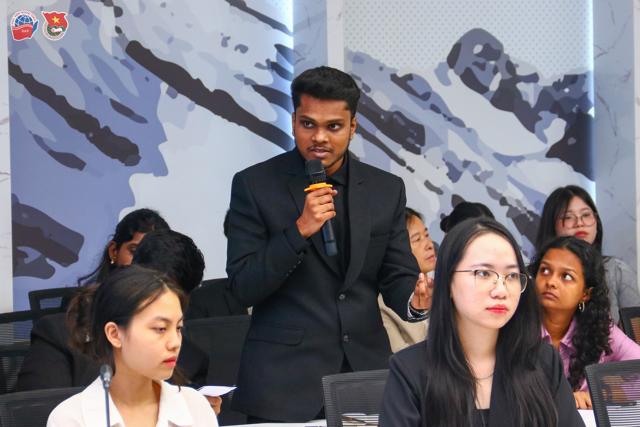
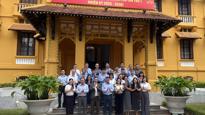
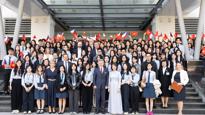
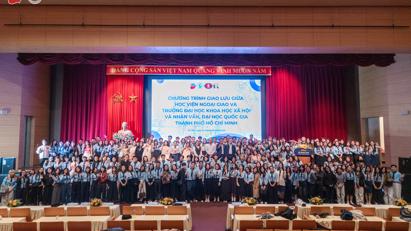
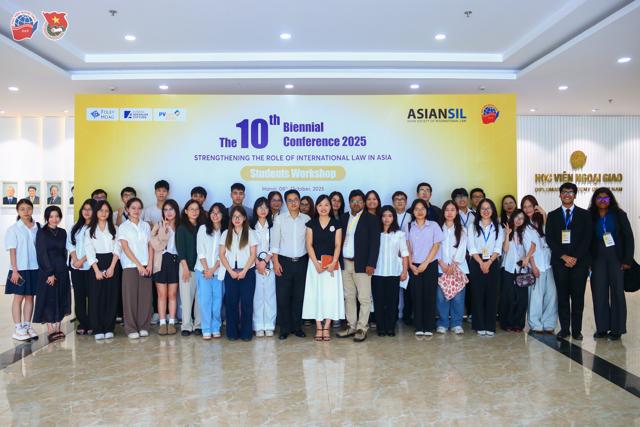
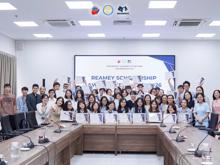
The workshop concluded in an atmosphere of vibrant and open academic exchange, reflecting strong connections between generations of scholars and students. It also underscored Asia’s increasingly influential voice in the field of international law. The event served as a reputable academic platform, gathering experts, scholars, and students to share insightful perspectives on the region’s role in shaping global legal norms. In doing so, the workshop not only fostered research-oriented thinking and nurtured the next generation of legal scholars, but also contributed to advancing the international law research community in Vietnam and the wider region.
Additional images:










Copyright ® 2026 Học viện Ngoại giao - Diplomatic Academy of Vietnam | Điều kiện | Bảo mật