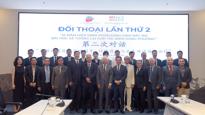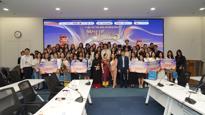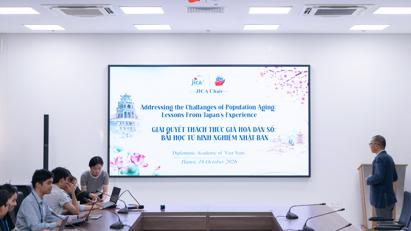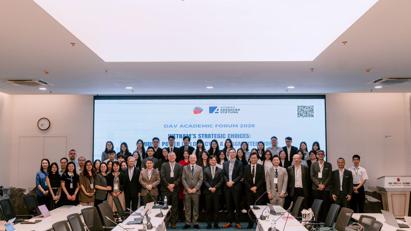


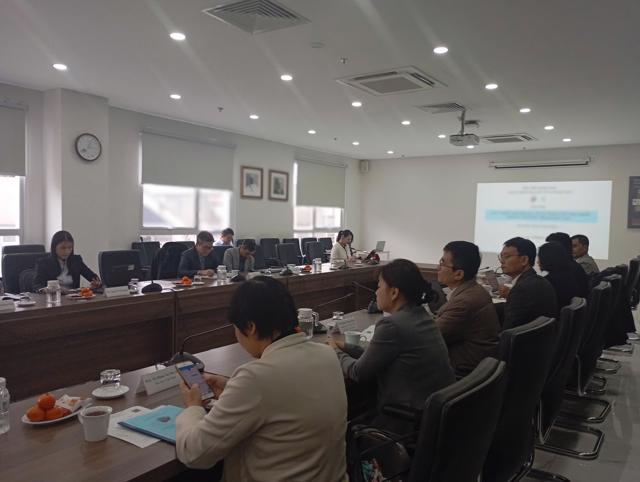
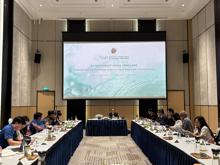
On the afternoon of December 29, 2025, the Diplomatic Academy of Vietnam successfully organized a consultation Seminar to gather expert opinions on the first draft of the curriculum framework for the Japanese Studies program.
The Seminar served as an important academic forum to collect feedback and advice from researchers, educators, and representatives of employers, thereby contributing to the refinement of the Japanese Studies curriculum framework towards a modern, practical, and internationally integrated approach.
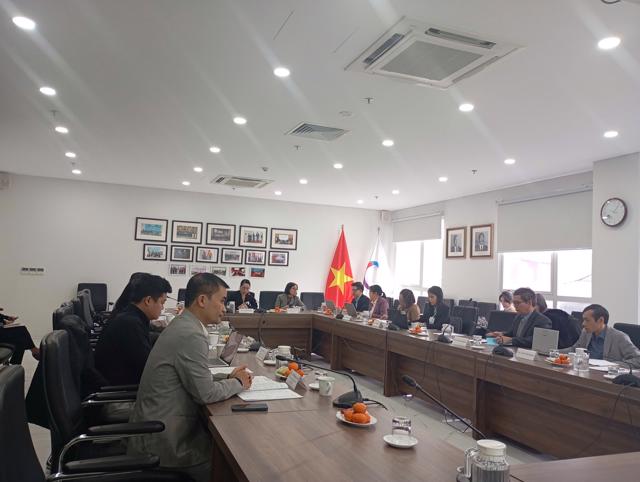
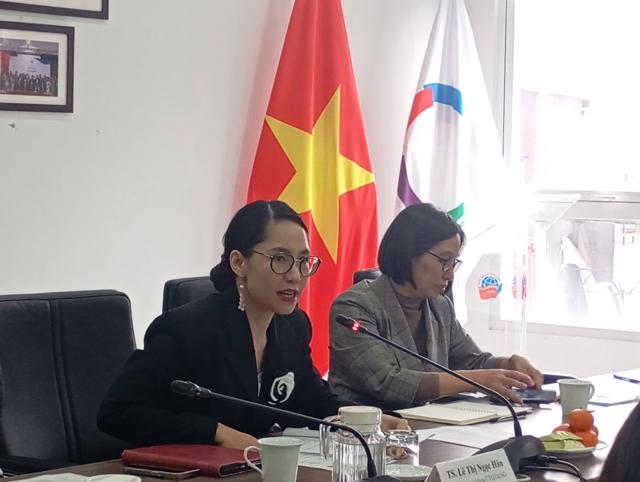
The Seminar was chaired by Dr. Le Thi Ngoc Han, Deputy Dean of the Faculty of International Politics and Diplomacy (FIPAD), with the participation of Ms. Pham Thi Thanh Huyen, Head of the Examination and Quality Assurance Department, lecturers specialising in Japanese Studies, and numerous experts, researchers, and representatives of businesses with many years of cooperation with Japanese partners.
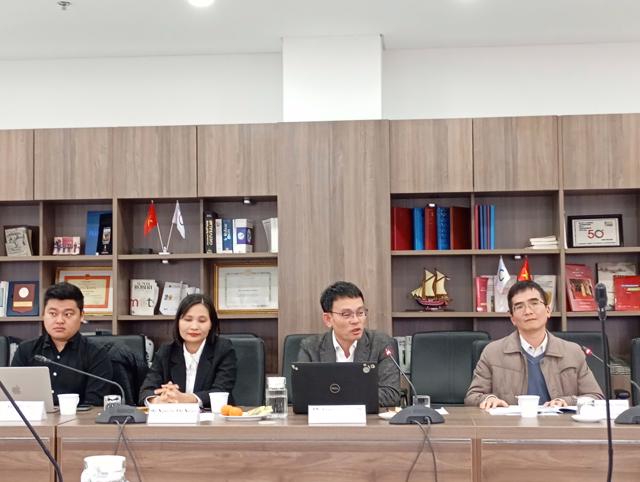
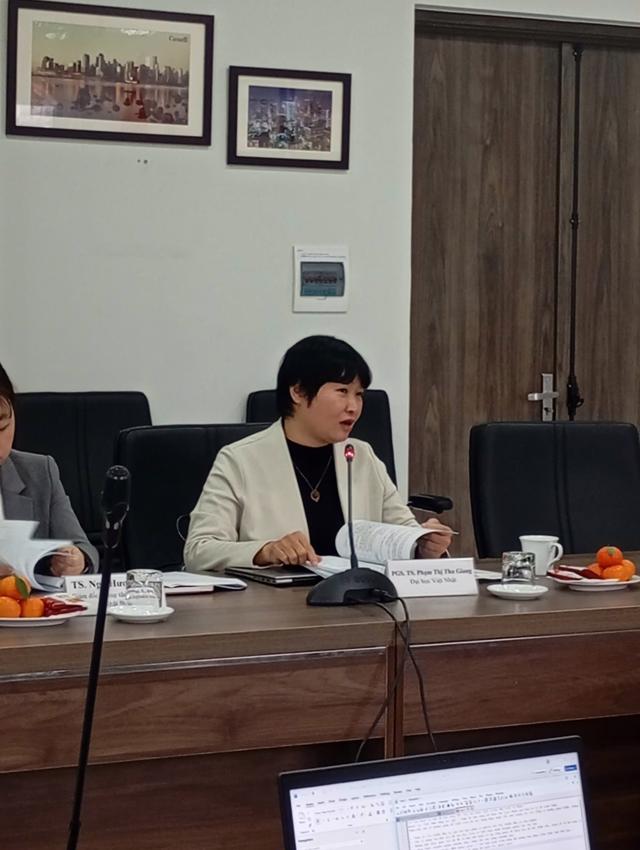
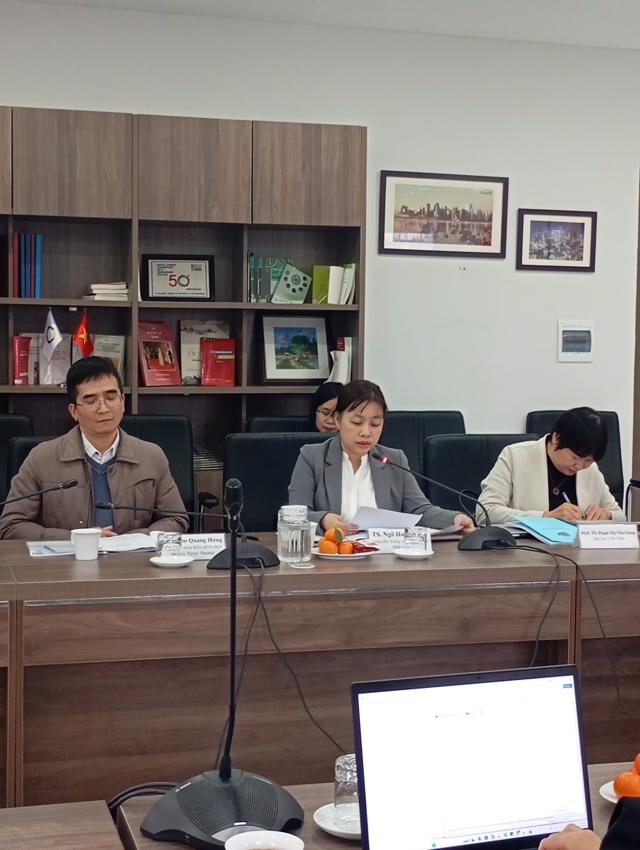
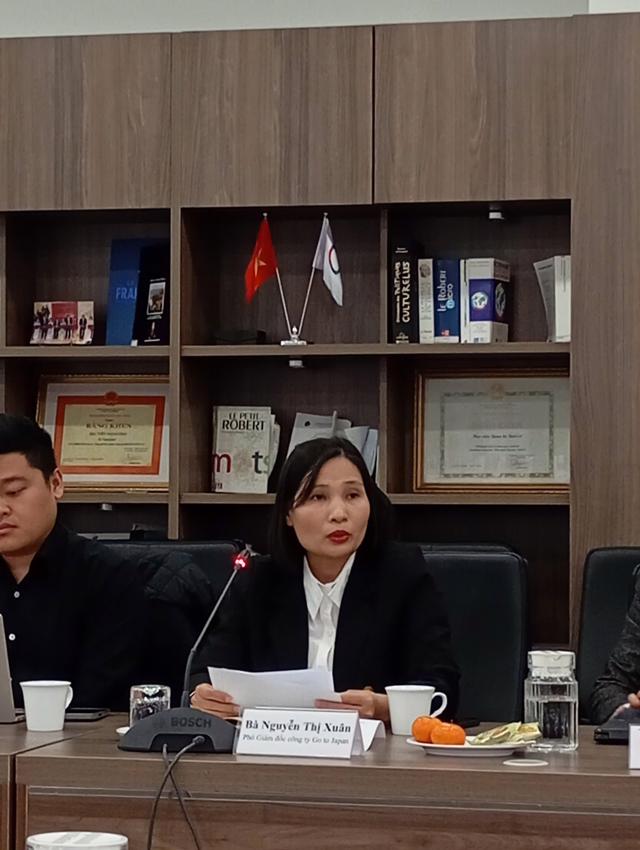
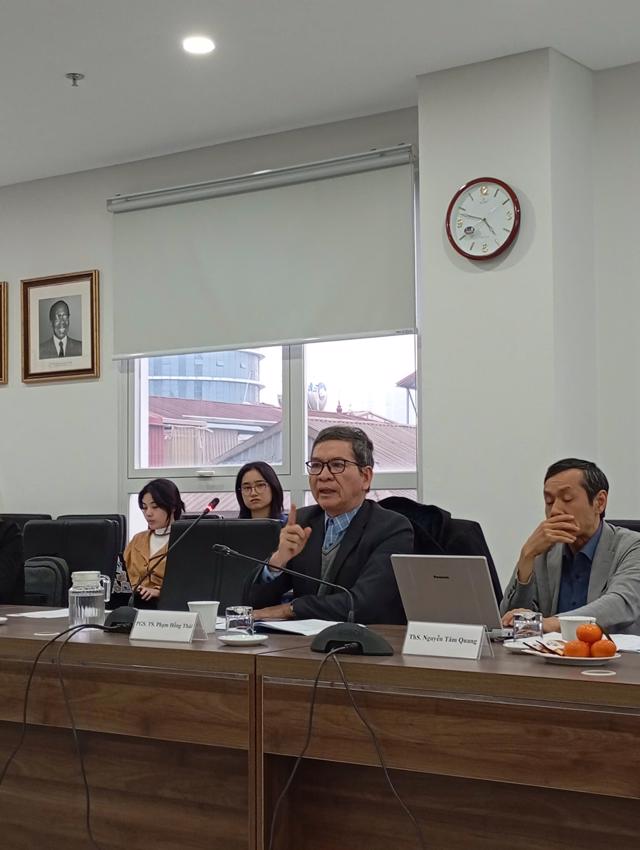
The speakers presenting papers at the seminar were all reputable experts in the field of Japanese studies and Vietnam-Japan relations, including: Assoc. Prof. Dr. Pham Thi Thu Giang, Director of the Japanese Studies Program, Vietnam-Japan University; Dr. Ngo Huong Lan, Director of the Center for Japanese Studies, Vietnam Academy of Social Sciences; Dr. Tran Hoang Long, Deputy Director of the Institute for Asia-Pacific Studies; Assoc. Prof. Dr. Pham Hong Thai, Former Deputy Director of the Institute for Northeast Asian Studies; along with representatives from businesses and employers such as Ms. Nguyen Thi Xuan, Deputy Director in charge of business at Go To Japan Company and Mr. Ho An, Business Director of Daruma Nihongo Japanese Language Company.
In his opening remarks and introduction to the seminar, Dr. Dr. Le Thi Ngoc Han emphasized the urgency of opening a Japanese Studies program, given the increasingly deep and broad development of Vietnam-Japan relations across many fields. The development of a well-structured, academically in-depth training program closely linked to practical needs is expected to contribute to the training of high-quality human resources, meeting the demands of society and the labor market. Dr. Le Thi Ngoc Han also expressed her desire to receive diverse feedback to help the Faculty continue to improve and refine the Curriculum Framework.
After more than two hours of serious and effective work, with six presentations delivered directly, the delegates focused on discussing and clarifying three key areas:
(i) The urgency and scientific-practical basis for opening a Japanese Studies program; (ii) The correlation between training objectives, learning outcomes, and program structure; (iii) Recommendations to improve the quality of training, increase applicability, and enhance the international integration of the Curriculum Framework.
The subsequent open discussion was lively, with nearly 10 exchanges of opinions and counter-arguments from experts and recruiters in a constructive and objective spirit. Many insightful suggestions focused on proposals such as: increasing the time allocated to Japanese language instruction integrated into specialized courses; strengthening cooperation and partnerships with Japanese businesses; and adding skills-based courses to enhance students' career adaptability after graduation.
In her closing remarks, Dr. Le Thi Ngoc Han, on behalf of the program development team, expressed sincere gratitude for the frank, insightful, and highly practical contributions from the delegates. She also affirmed that the Faculty will seriously consider, research, and refine the Japanese Studies curriculum framework in the following steps.
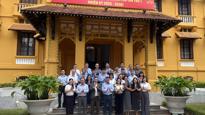
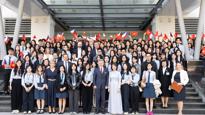
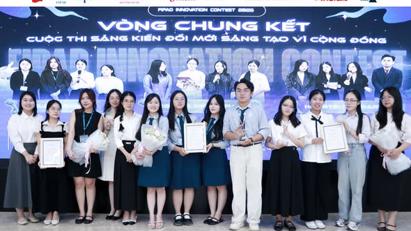
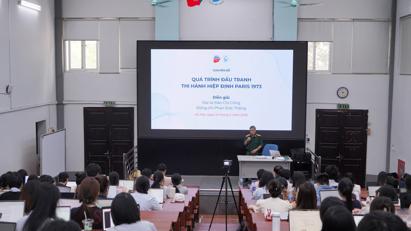
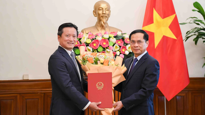
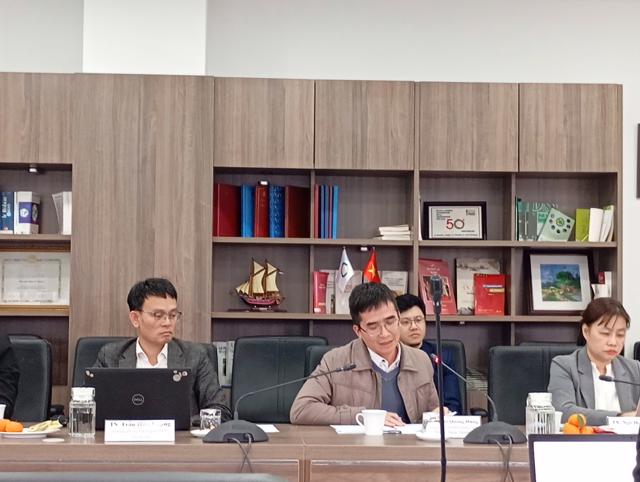
Some photos at the event:




Copyright ® 2026 Học viện Ngoại giao - Diplomatic Academy of Vietnam | Điều kiện | Bảo mật