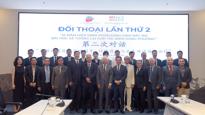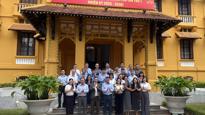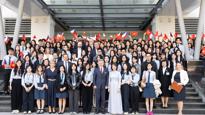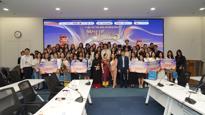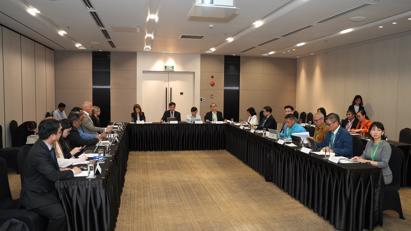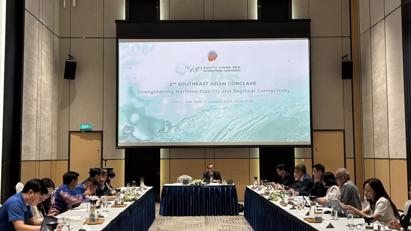


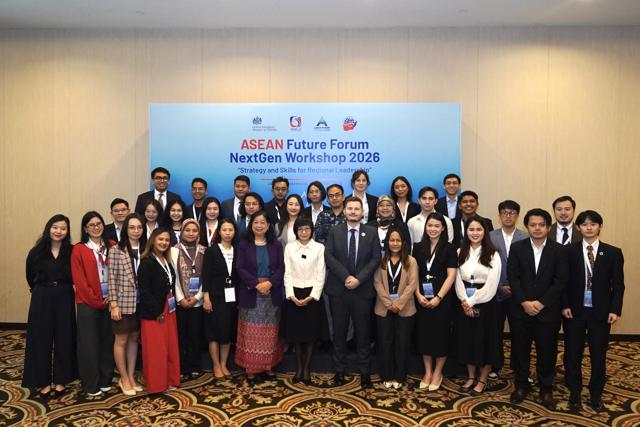
On March 9-10, 2026, in Jakarta, Indonesia, the United Kingdom Mission to ASEAN, in collaboration with the Diplomatic Academy of Vietnam (DAV), convened the “ASEAN Future Forum (AFF) NextGen Workshop 2026: Strategy and Skills for Regional Leadership”. The event brought together selected youth representatives from ASEAN Member States and the UK to discuss the role of youth in shaping ASEAN’s future.
Leading up to the ASEAN Future Forum (AFF) 2026 in Hanoi, the workshop focused on substantive capacity-building and inspiring a new generation of contributors to ASEAN’s unity, centrality, and resilience. The programme aimed to empower youth to engage meaningfully in regional discussions as ASEAN member states resume the implementation of the Post-2025 ASEAN Community Vision and the ASEAN Community Vision 2045.
Energizing Youth for ASEAN Cooperation
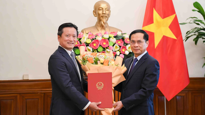
In her opening remarks, H.E. Ambassador Dr. Ton Thi Ngoc Huong, Permanent Representative of Viet Nam to ASEAN, emphasized that the young delegates brought fresh energy to the ASEAN-UK partnership, which has grown dynamically in recent years. She stated that innovative thinking and collaborative spirit of the youth will reflect the aspirations of the next generation for the ASEAN Community.
Mr. Benjamin Matthews, Chargé d'Affaires of the UK Mission to ASEAN, reaffirmed the UK’s willingness to continue partnering with ASEAN on shared priorities such as strengthening health security, promoting the green transition, fostering economic integration, and advancing the Women, Peace and Security (WPS) agenda. He also noted that initiatives like the Youth, Peace and Security (YPS) agenda created broader spaces for youth to participate actively in regional cooperation.
ASEAN Vision and the Art of Consensus-Building
The workshop opened up a unique opportunity for the participants to engage directly with ASEAN’s eminent persons and outstanding diplomats. At the first Workshop on “ASEAN Vision 2045 – What future are we negotiating for?”, H.E. Ambassador Elizabeth P. Buensuceso, Philippine Eminent Person to the High-Level Task Force on the ASEAN Community Vision, shared profound insights and aspirations for building a dynamic, innovative, resilient, and people-centred community. She emphasized that ASEAN centrality would be crucial for regional stability amidst increasing major power rivalry, given the evolving megatrends and challenges such as digital transformation, food and energy security, and sustainable development.
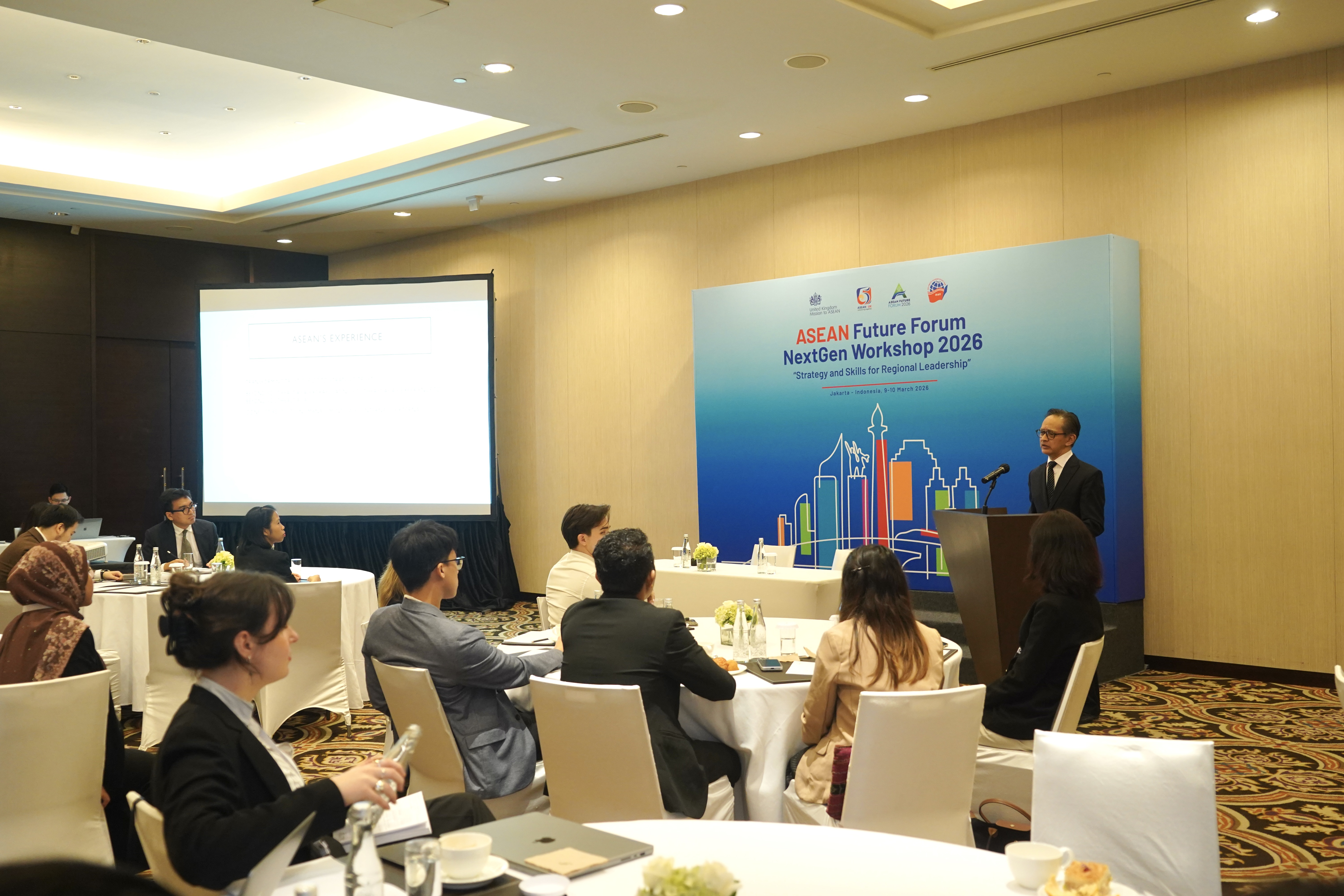
Speaking at the second Workshop on “ASEAN and consensus-building”, Dr. R.M. Marty M. Natalegawa, former Minister for Foreign Affairs of Indonesia, shared his extensive expertise on the art of consensus-building and multilateral diplomacy. He explained the “ASEAN Way” of building strategic trust through constant dialogue and a deep understanding of each party’s objectives. According to Dr. Natalegawa, key elements for sustainable consensus include the ability to “read the room”, practice empathy, utilize precise diplomatic language, and ensure mutual respect and common ownership throughout the negotiation process.
The programme also featured a number of field visits designed to enrich delegates’ knowledge of ASEAN’s institutional mechanisms and regional cooperation networks. On March 10, the young leaders had an interesting exchange at the ASEAN Secretariat Headquarter with H.E. Nararya S. Soeprapto, Deputy Secretary-General of ASEAN for Community and Corporate Affairs, who shared the history and evolution of ASEAN, the Secretariat’s vital coordination role, and the key priorities for the post-2025 Vision.
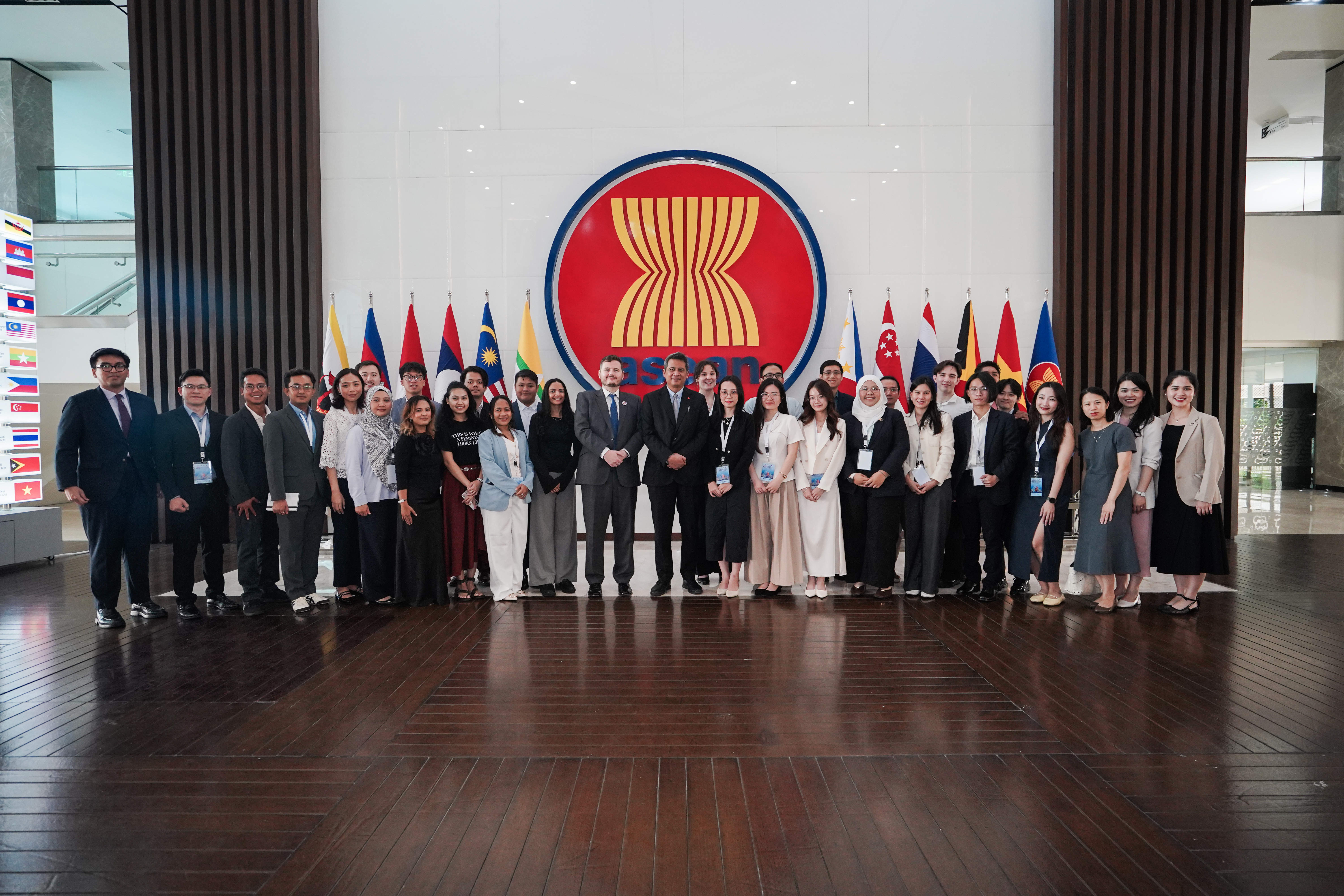
Participants also joined a networking session at the UK Mission to ASEAN, engaging with representatives from the ASEAN Secretariat, ASEAN Institute for Peace and Reconciliation, ASEAN Inter-Parliamentary Assembly Secretariat, United Nations agencies, various international research and development organizations, and several missions of partner countries to ASEAN. This engagement gave the youth leaders another chance to discuss pressing issues directly with policy-makers and international experts. The programme was wrapped up with a training on negotiation skills and a simulation of drafting ASEAN’s document. The discussion in Jakarta will be further deliberated at the ASEAN Future Forum Youth Roundtable, expected to be held in Hanoi within the framework of the ASEAN Future Forum 2026.
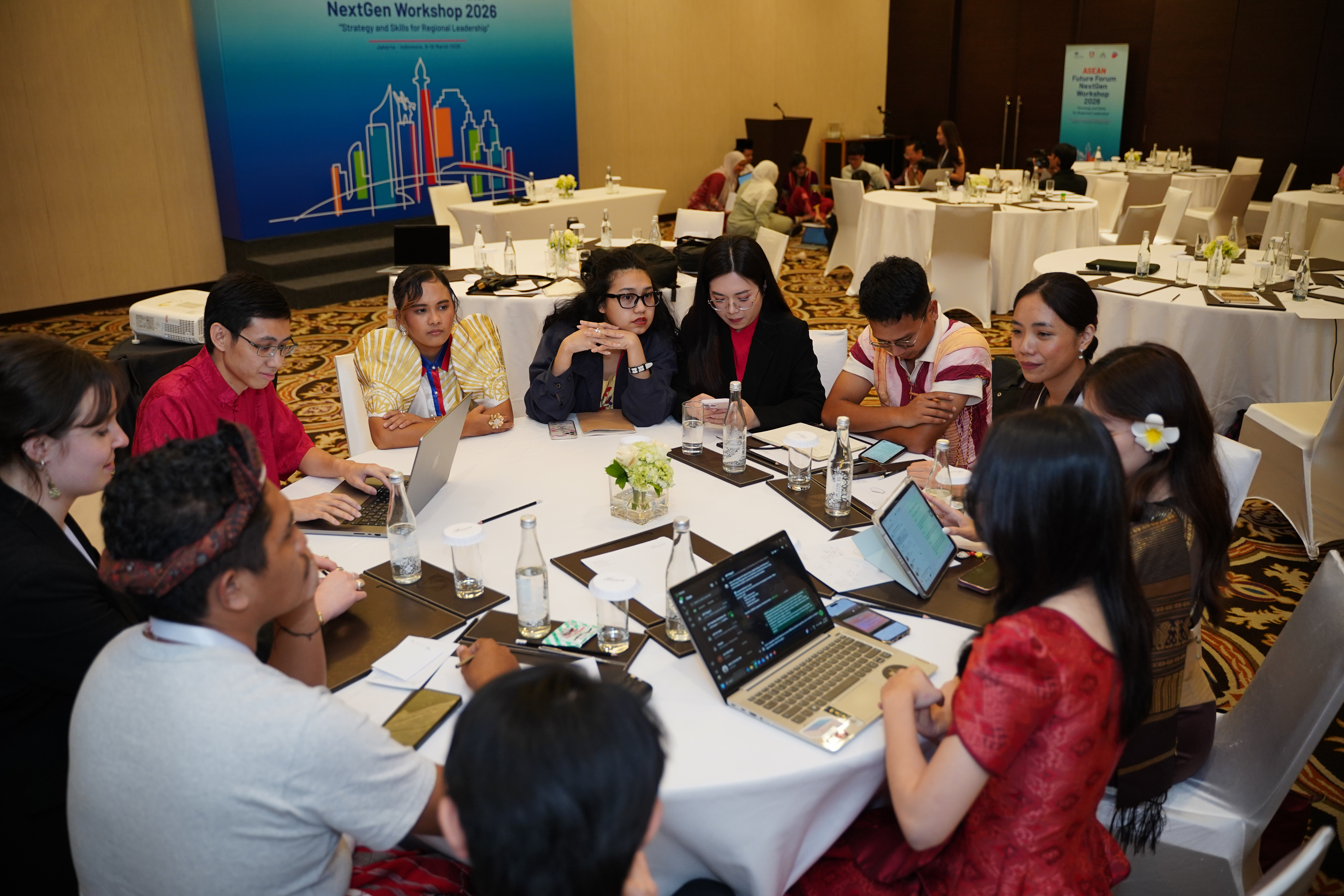
This series of youth-focused activities leading up to AFF 2026 helped foster the formation of a network of young leaders ready to contribute to ASEAN’s unity, centrality, and resilience in the upcoming decades.






Copyright ® 2026 Học viện Ngoại giao - Diplomatic Academy of Vietnam | Điều kiện | Bảo mật