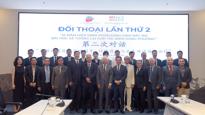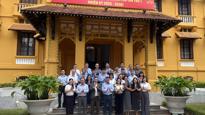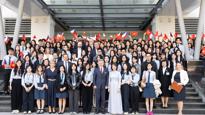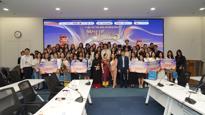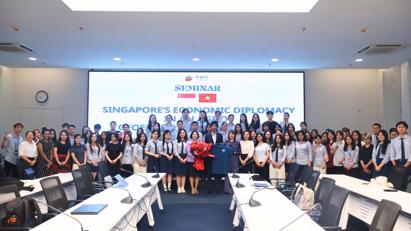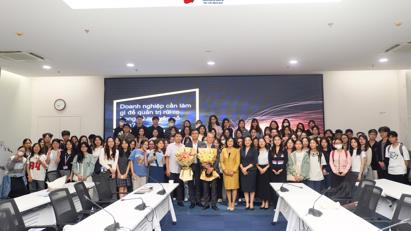


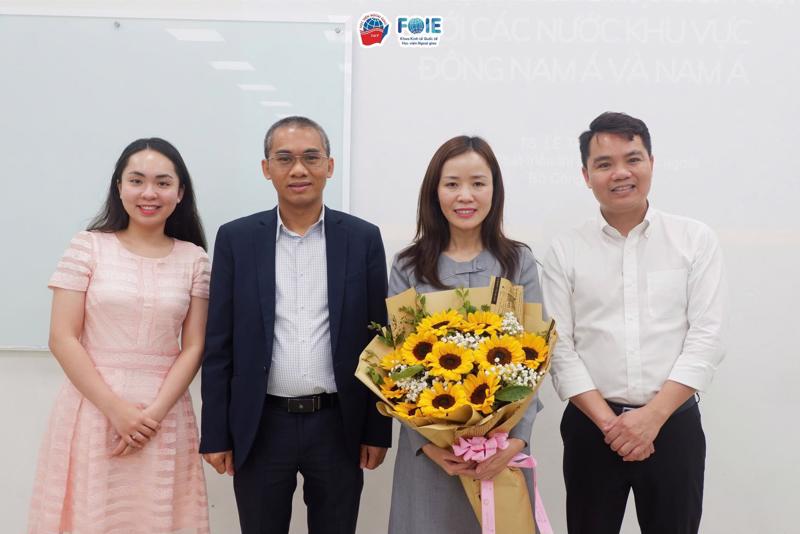
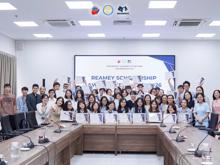
The seminar welcomed:
- Dr. Lê Thị Mai Anh, Head of Southeast Asia, South Asia and Regional Cooperation Division, Department of Foreign Market Development, Ministry of Industry and Trade;
- Mr. Chu Văn Thịnh, Officer, Department of Foreign Market Development, Ministry of Industry and Trade;
- Dr. Nguyễn Xuân Đông, Lecturer, Faculty of International Economics;
- MSc. Hoàng Ngọc Bích, Lecturer, Faculty of International Economics;
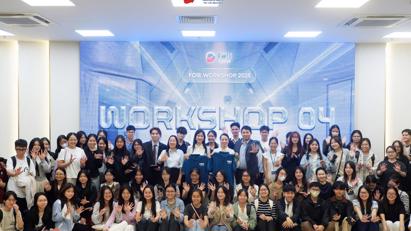
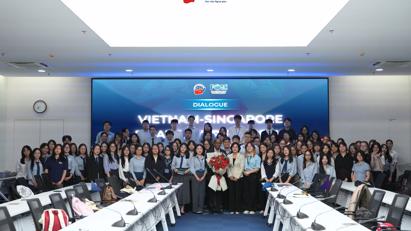
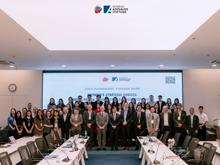
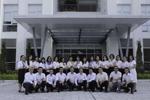
together with a large number of students from the Faculty of International Economics.
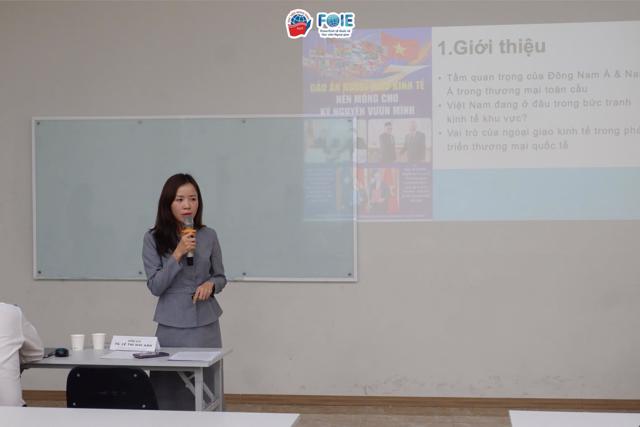
Throughout the seminar, Dr. Lê Thị Mai Anh offered a comprehensive perspective on the importance of Southeast Asia and South Asia in global trade, Vietnam’s position in the regional economic landscape, and the role of economic diplomacy in advancing international trade. She outlined opportunities and challenges for Vietnamese enterprises in regional trade, including the growth potential of agricultural products, processed industries, logistics, and service exports, as well as international trade barriers arising from protectionist policies and differences in business culture.
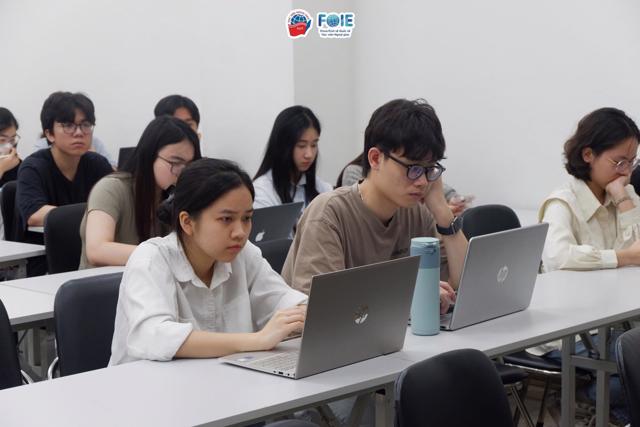
A highlight of the event was a case study on successful Vietnamese enterprises in Southeast Asia and South Asia, accompanied by practical experiences in negotiation and overcoming trade barriers. Dr. Lê Thị Mai Anh also opened discussions on career opportunities in international trade and key lessons for students aspiring to pursue economic diplomacy. Following the speaker’s presentation, a lively Q&A session enabled students to engage in deeper reflection and critical thinking on the current state of economic diplomacy in the two regions.
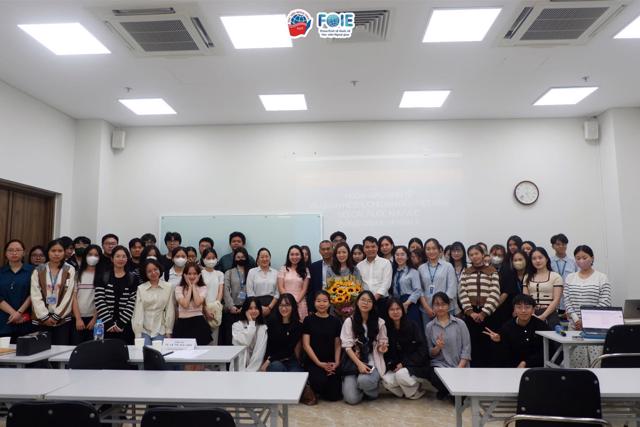
The seminar concluded with insightful perspectives and practical discussions on economic diplomacy in Southeast Asia and South Asia. The event not only provided students with expert analysis but also opened new pathways for those seeking careers in economic diplomacy and international trade. The real-world experiences, lessons, and career insights shared by the speakers helped students gain clearer direction for their future paths while fostering a proactive mindset and readiness to adapt to global economic changes.



Copyright ® 2026 Học viện Ngoại giao - Diplomatic Academy of Vietnam | Điều kiện | Bảo mật