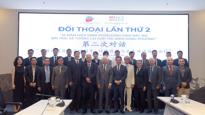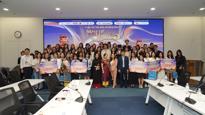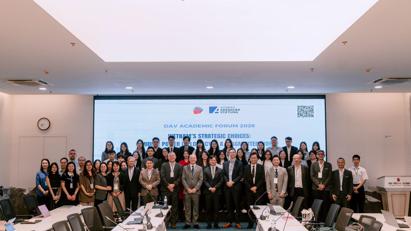


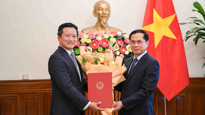
In order to carry out the task of developing and refining the theoretical framework for Vietnam’s foreign affairs in the new era—as outlined in the documents of the 14th National Party Congress and Resolution No. 06-NQ/TW, issued by the Politburo on May 19, 2026 - the Diplomatic Academy of Vietnam hosted a seminar in Hanoi on November 12, 2026, titled “Developing and Refining the Theoretical Framework for Vietnam’s Foreign Affairs in the New Era.” This event marks the first in a series of activities to be organized in the coming period to fulfil this objective. Mr. Nguyen Manh Cuong, member of the Party Central Committee, Permanent Deputy Secretary of the Party Committee of the Ministry of Foreign Affairs, and Deputy Minister of Foreign Affairs, attended the seminar and provided guidance.
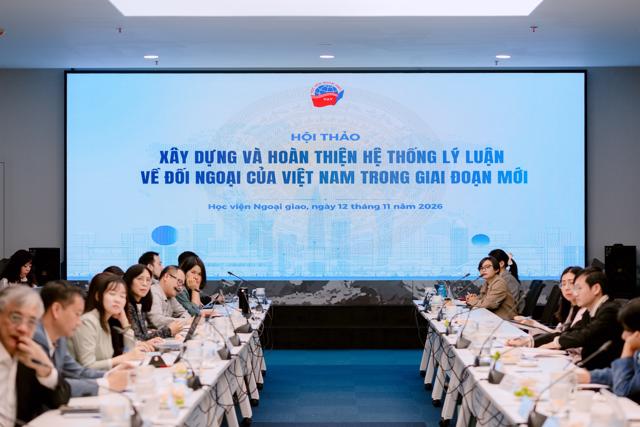
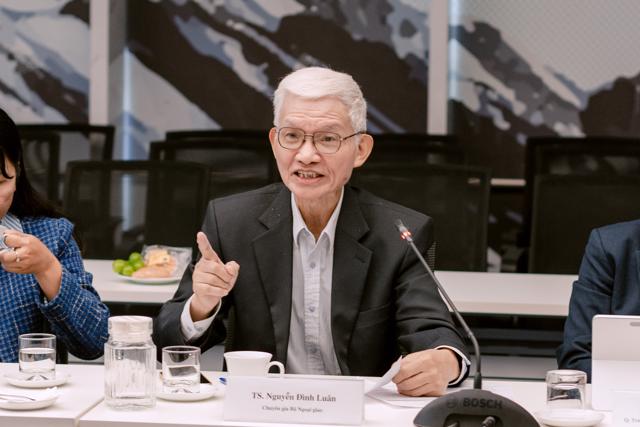
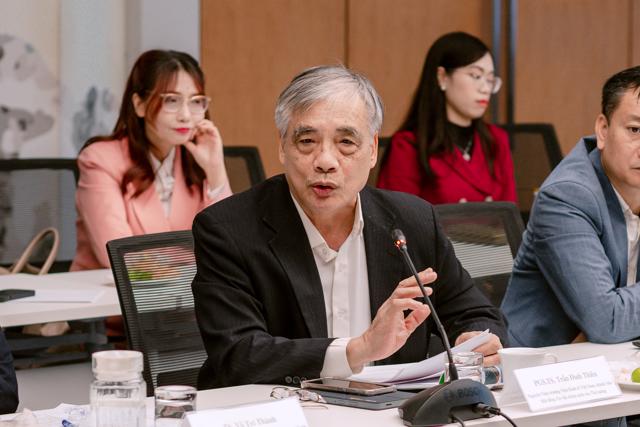
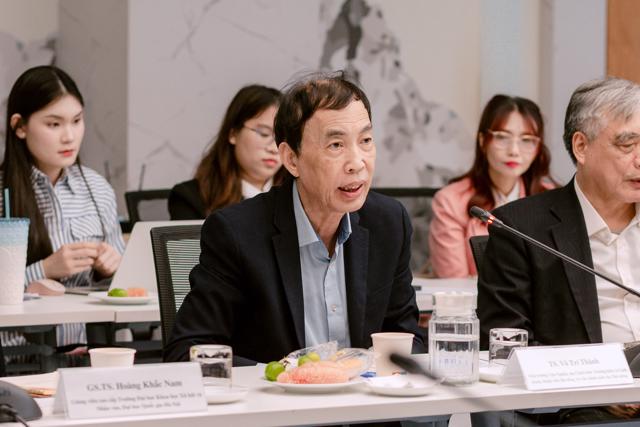
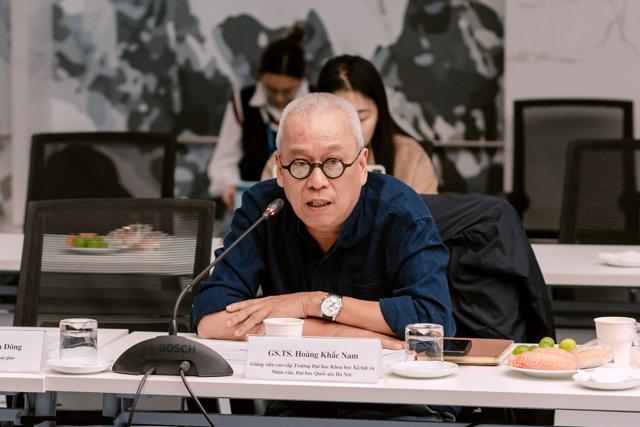
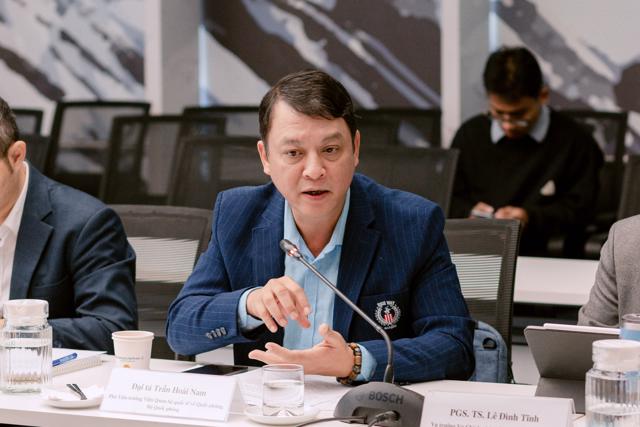
The seminar brought together numerous leading experts, researchers, and experienced officials in the field of foreign affairs—hailing from the Ministry of Foreign Affairs, various other ministries and agencies, and domestic research institutions specializing in foreign policy. Participants included: Assoc. Prof. Dr. Dang Dinh Quy, former Deputy Minister of Foreign Affairs; Assoc. Prof. Dr. Le Dinh Tinh, Director General of the Department of Foreign Policy at the Ministry of Foreign Affairs; Dr. Nguyen Dinh Luan, former Secretary of the Scientific Council of the Ministry of Foreign Affairs; Assoc. Prof. Dr. Tran Dinh Thien, former Director of the Vietnam Institute of Economics and member of the Prime Minister’s Economic Advisory Group; Dr. Vo Tri Thanh, Director of the Institute for Brand and Competitiveness Strategy and member of the Prime Minister’s Economic Advisory Group; Colonel Tran Hoai Nam, Deputy Director of the Institute for International Relations on Defense at the Ministry of National Defence; Prof. Dr. Hoang Khac Nam, Senior Lecturer at the University of Social Sciences and Humanities, Vietnam National University, Hanoi; and Mr. Nguyen Viet Dung, Head of Division at the International Relations Department of the Vietnam Chamber of Commerce and Industry (VCCI).
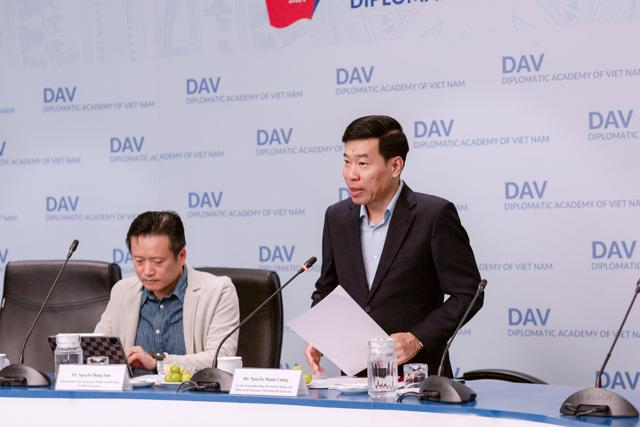
In his remarks at the seminar, Deputy Minister Nguyen Manh Cuong noted that the current international environment is evolving rapidly and complexly. New issues are emerging that cannot be addressed using outdated theoretical frameworks. Meanwhile, after 40 years of Doi Moi, Vietnam’s standing on the global stage has risen. Consequently, there is a need for a robust theoretical framework on foreign affairs to serve as a foundation for formulating policies and implementing international cooperation initiatives. Mr. Nguyen Manh Cuong emphasized that developing and refining such a framework requires a comprehensive approach—ranging from clearly defining the subjects for research and establishing a phased, overarching work program, to cultivating a team of capable scholars with a genuine passion for research.
Presiding over the seminar, Mr. Nguyen Hung Son, President of the Diplomatic Academy of Vietnam, observed that the practical experience gained from Vietnam’s foreign affairs activities has already made significant contributions to the global body of theory regarding foreign policy and international relations. Nevertheless, the country’s elevated international standing now places greater demands on the development of a comprehensive theoretical framework to serve as a guiding compass for Vietnam’s foreign affairs.
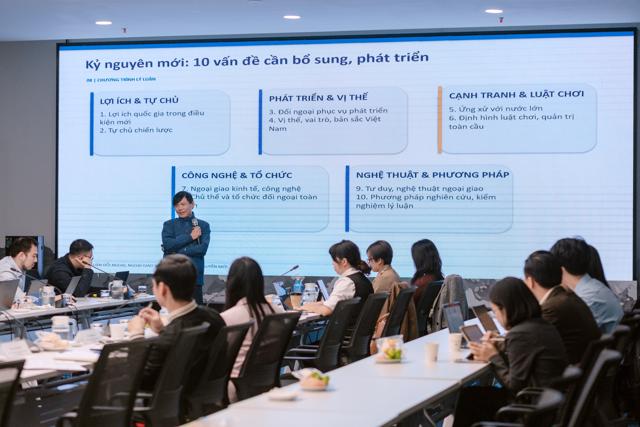
At the seminar, the presentations focused on analyzing and clarifying the urgent need to develop and define the core content of a theoretical framework for Vietnam’s foreign affairs in the new context. Participants engaged in lively discussions characterized by a scientific, objective, and candid approach, offering many profound insights. Key contributions included the need to closely integrate theoretical research with the synthesis of practical experience; to systematize research findings that offer tangible value for foreign policy advisory and planning; to supplement and evolve theoretical perspectives on foreign affairs for the new era—harmoniously blending international theoretical achievements with the development of a uniquely Vietnamese theoretical framework; and to identify priority theoretical issues for research, ensuring a timely response to the practical demands of foreign affairs in the new period.
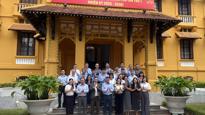
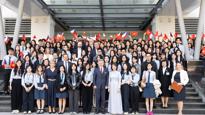
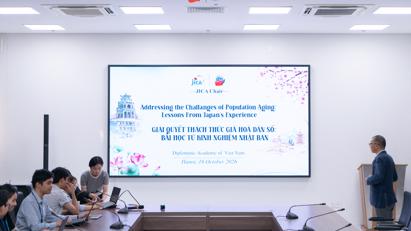
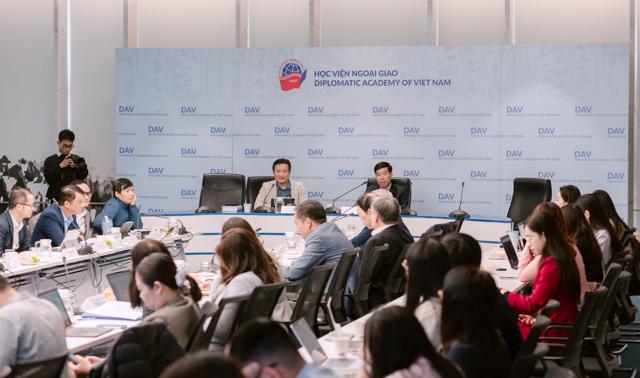
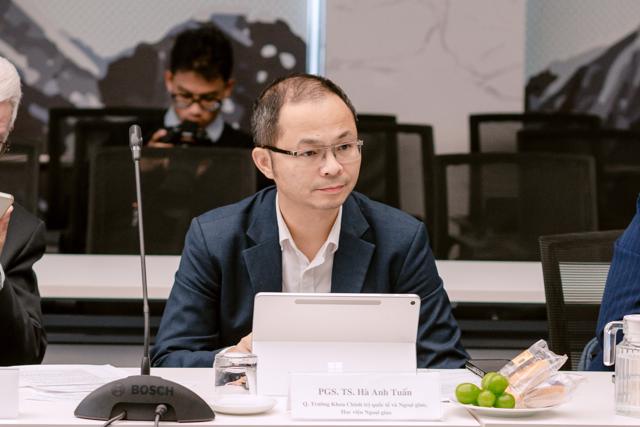
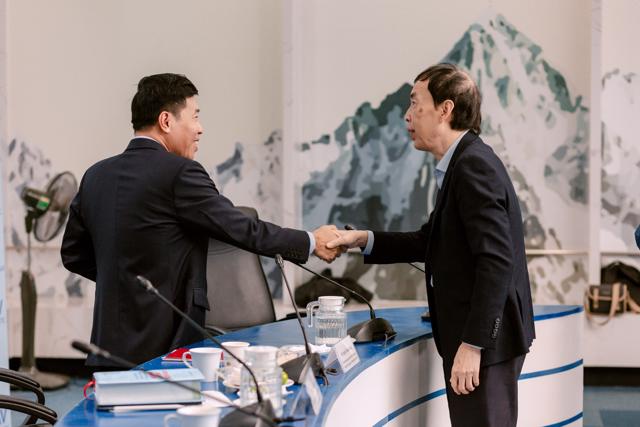
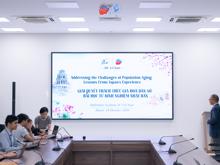
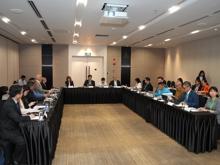
Selected images from the seminar:


Copyright ® 2026 Học viện Ngoại giao - Diplomatic Academy of Vietnam | Điều kiện | Bảo mật