

SOUTHEAST ASIAN CONCLAVE: STRENGTHENING MARITIME STABILITY AND REGIONAL CONNECTIVITY

18:18 06/10/2026

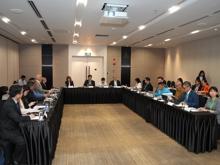
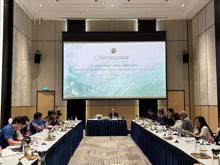
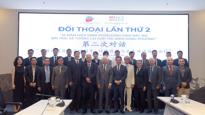
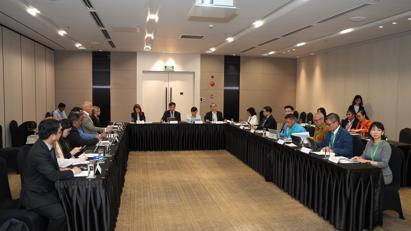
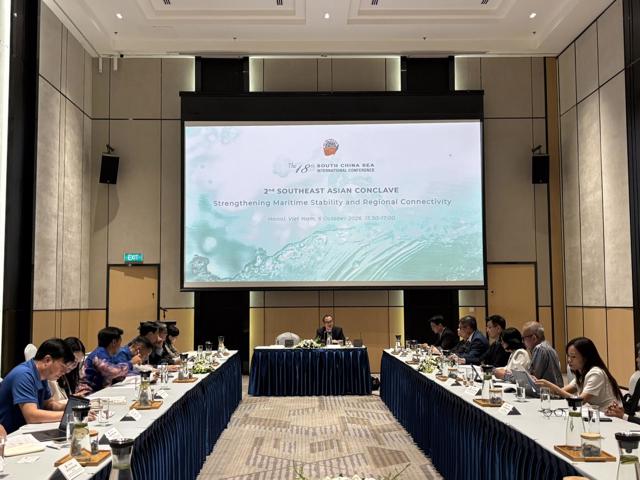
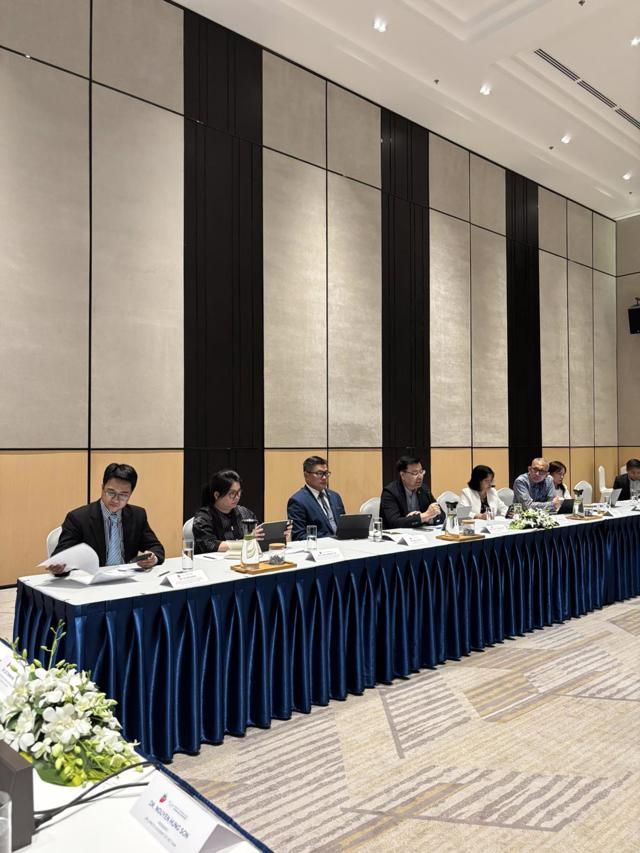
On 6 October 2026, in Hanoi, the Diplomatic Academy of Viet Nam (DAV) convened the Southeast Asian Conclave on “Strengthening Maritime Stability and Regional Connectivity” at the Sheraton Hanoi Hotel, on the sidelines of the 18th South China Sea International Conference.
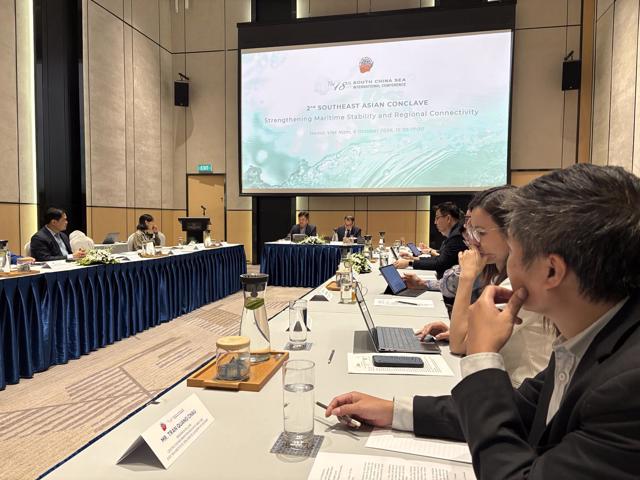
The conclave brought together experts and researchers from 10 ASEAN Member States to exchange views on the interconnected challenges facing maritime security, regional connectivity, and ASEAN’s resilience amid strategic shifts. The discussion featured remarks by Dr. Nguyen Hung Son, President of the Diplomatic Academy of Viet Nam, and Dr. Do Thanh Hai, Deputy Director General in Charge of the East Sea Institute, DAV. Discussions focused on the links between maritime stability, economic security, infrastructure connectivity, crisis preparedness, and trust among regional countries.
Key themes discussed at the conclave included:
  • The maritime security environment and interconnected risks: Examining the impacts of strategic competition, maritime incidents, and non-traditional security challenges in Southeast Asia, including illegal fishing, climate change, undersea cable security, and potential disruptions to critical shipping routes.
  • International law and regional cooperation: Highlighting the role of international law, particularly the 1982 United Nations Convention on the Law of the Sea (UNCLOS), in managing disputes, maintaining maritime order, and promoting peaceful solutions. Participants also exchanged views on practical approaches to advancing cooperation and confidence-building in the negotiations on the Code of Conduct in the South China Sea (COC).
  • Advancing practical cooperation and strengthening resilience: Emphasizing the importance of information-sharing, inter-agency coordination, maritime law enforcement, and regional crisis preparedness. Making effective use of existing cooperation mechanisms was identified as a practical way to strengthen responses to disruptions affecting connectivity, supply chains, and energy security.
  • Strengthening ASEAN centrality: Exploring ways to enhance the effectiveness of ASEAN-led mechanisms, reinforce intra-ASEAN consultation, and strengthen the region’s voice in maritime governance. Participants also highlighted the potential contributions of middle powers to promoting dialogue, building trust, and maintaining a stable and open regional environment.

Through candid and wide-ranging exchanges, the Southeast Asian Conclave contributed to a shared understanding of the maritime challenges facing Southeast Asia and explored practical avenues for cooperation. The discussion highlighted the importance of strengthening ASEAN’s regional agency and resilience while advancing stable and connected seas in support of shared regional prosperity.

Vu Hai Dang, Nguyen Hop Chau (East Sea Institute)

Same category