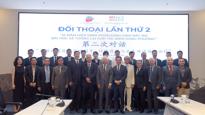


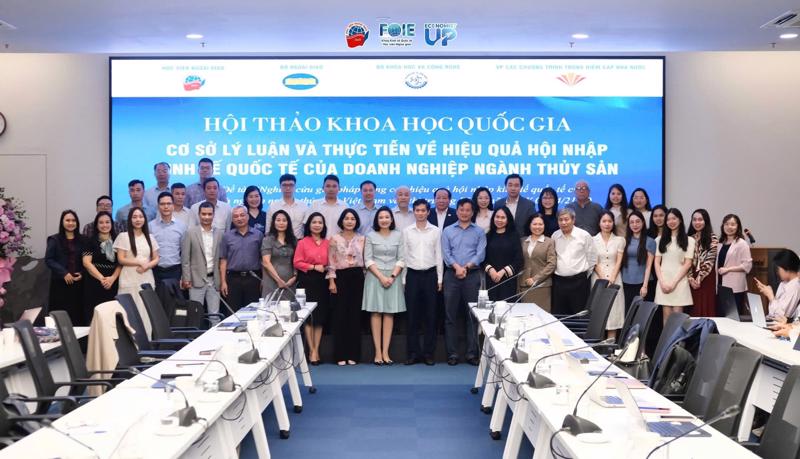
From the Diplomatic Academy of Vietnam, the conference welcomed:
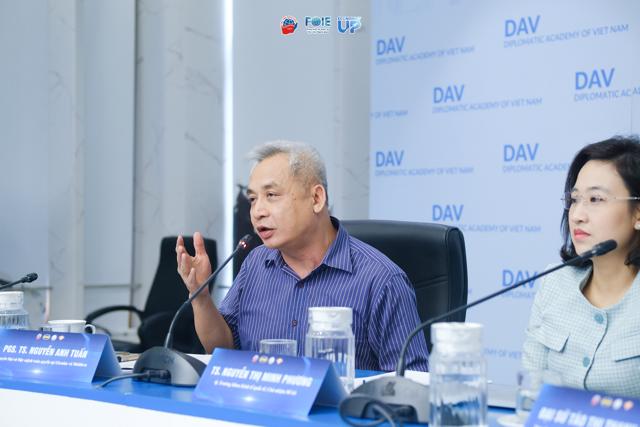
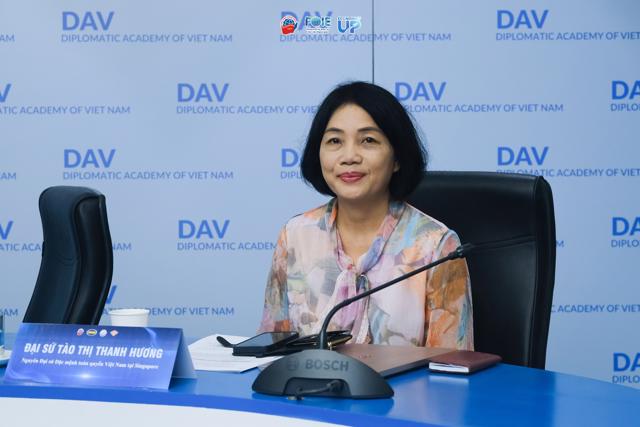
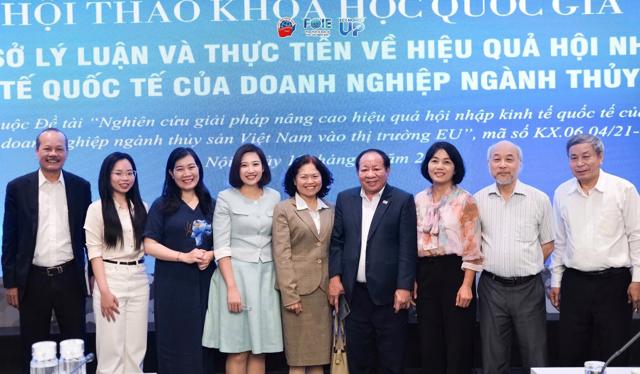
From the speakers, the Conference was honored to host leading experts, including:
From the invited guests, the Conference was pleased to welcome:
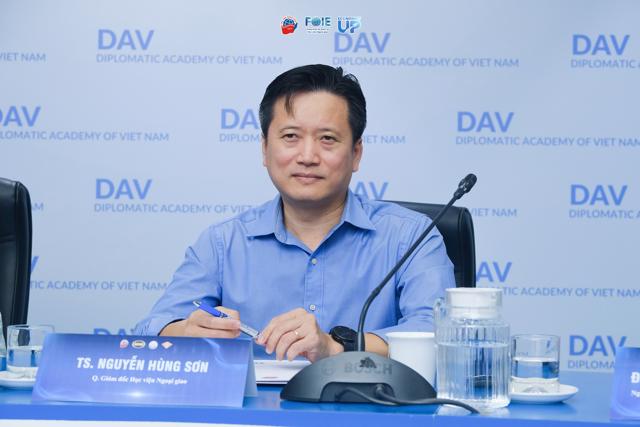
Opening the Conference, Dr. Nguyễn Hùng Sơn emphasized the role of the Diplomatic Academy of Vietnam in connecting academia, policymakers, and the business community. He also officially announced the national-level research project on enhancing the effectiveness of international economic integration for Vietnam’s fisheries enterprises entering the EU market. He stressed the strategic significance of the project in improving integration capacity, competitiveness, and export value of Vietnam’s fisheries sector, especially as the EVFTA opens new opportunities for market access. Although the fisheries sector contributes substantially to GDP and exports, integration into the EU market remains challenging due to technical, regulatory, and competitiveness barriers. The Conference provided a platform for experts, scholars, managers, and enterprises to exchange theoretical and practical insights, contributing to solutions that support sustainable development and strengthen the research project.
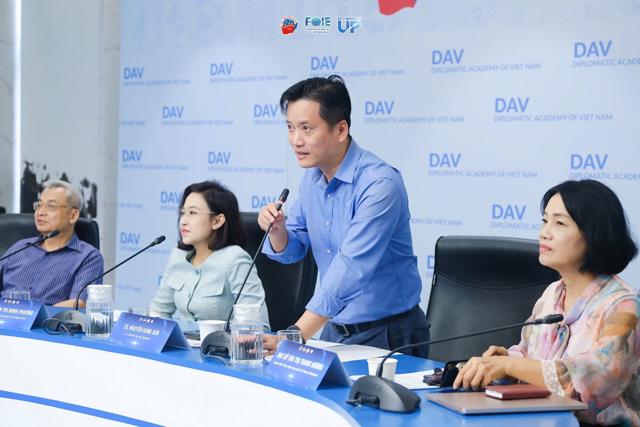
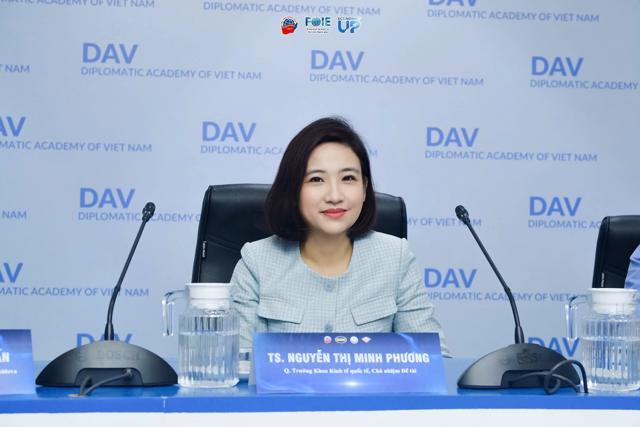
Beginning the presentation sessions, Dr. Nguyễn Thị Minh Phương, Principal Investigator, presented an overview of the project, including its objectives and research activities. Addressing the current limitations in international economic integration among Vietnamese fisheries enterprises, the research team emphasized the need to shift from “participation” to “effective integration,” positioning enterprises at the center of this process. The presentation clarified key concepts and domestic and international perspectives on integration effectiveness, highlighting experiences from China, Norway, and Thailand. Based on this, the team proposed a framework of viewpoints and five groups of criteria to assess integration effectiveness: enterprise awareness; capacity to meet EU import requirements; competitiveness; participation in value chains; and overall impacts of integration. This provided a valuable theoretical foundation to guide policies and strengthen integration capacity in the context of new-generation integration.
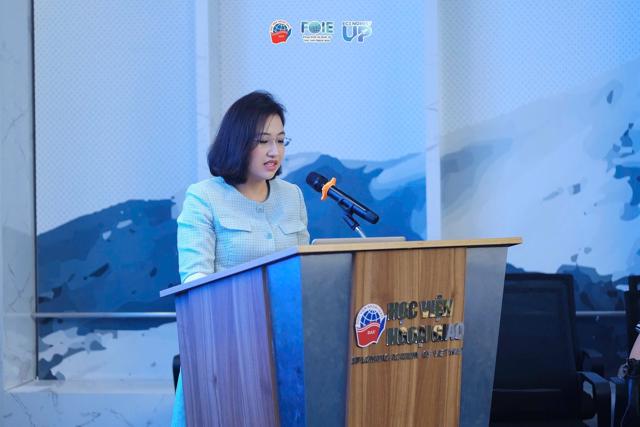
The subsequent sessions presented diverse perspectives from regulatory bodies, industry associations, and businesses, while drawing on international experiences to enhance integration effectiveness for Vietnam’s fisheries sector. Topics discussed included:
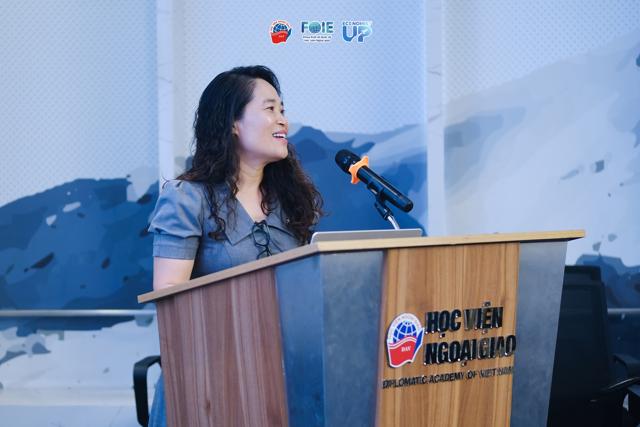
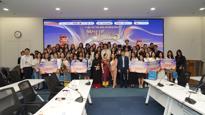
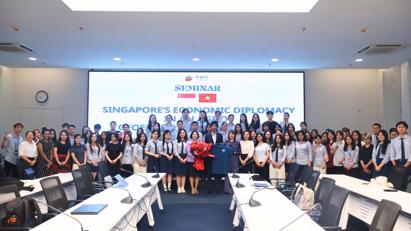
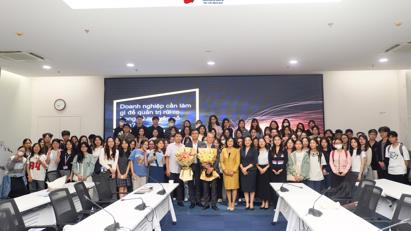
With 10 presentations across four in-depth thematic sessions, the Conference aimed to clarify theoretical and practical issues and introduce new approaches to improving integration capacity for fisheries enterprises in the current context. Concluding the discussions, experts agreed that enhancing integration effectiveness requires close coordination among the government, enterprises, and relevant organizations. Strengthening competitiveness, meeting international standards, utilizing new trade channels such as e-commerce, and learning from global experiences are crucial for enabling Vietnam’s fisheries sector to expand in the EU and global markets.
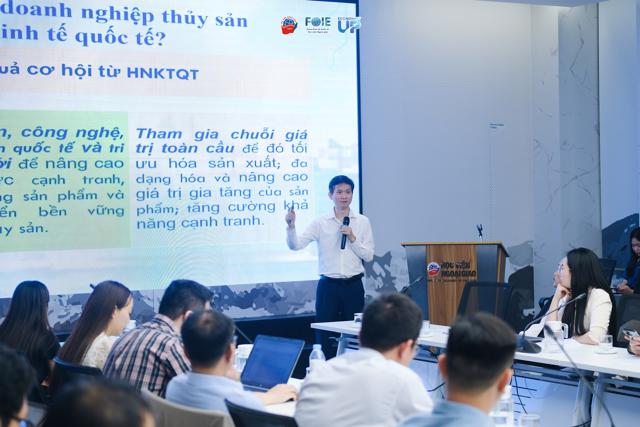
The Conference successfully created a forum for exchange among experts, businesses, and related institutions, contributing to the development of policies and strategies for deeper and more effective international integration of Vietnam’s fisheries sector. The insights gained are expected to serve as a foundation for future research and policymaking while inspiring the younger generation in advancing the sustainable development of Vietnam’s fisheries industry.


Copyright ® 2026 Học viện Ngoại giao - Diplomatic Academy of Vietnam | Điều kiện | Bảo mật