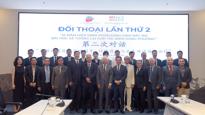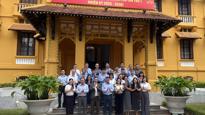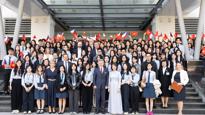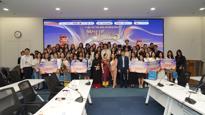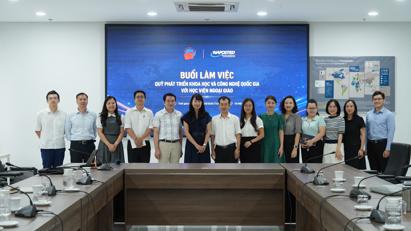


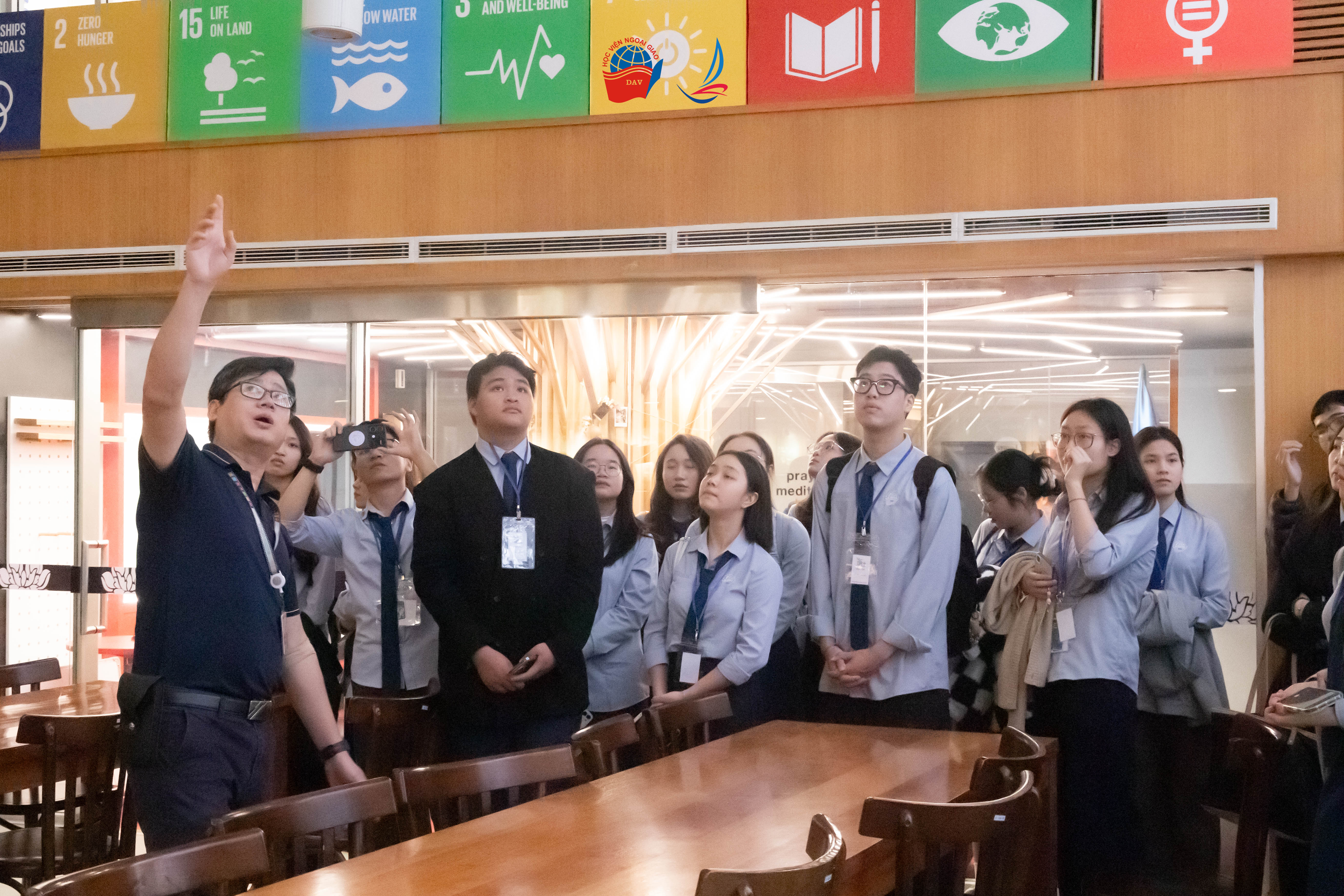
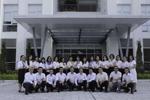
As part of the DAV Ambassadors’ Journey 2025 (DAJ 2025), on January 30, 2026, students took part in a field visit to the Green One UN House. The visit provided a valuable opportunity for students to experience firsthand the professional working environment of the world’s largest multilateral organization, thereby supporting them in clarifying their personal development goals and future career orientations.
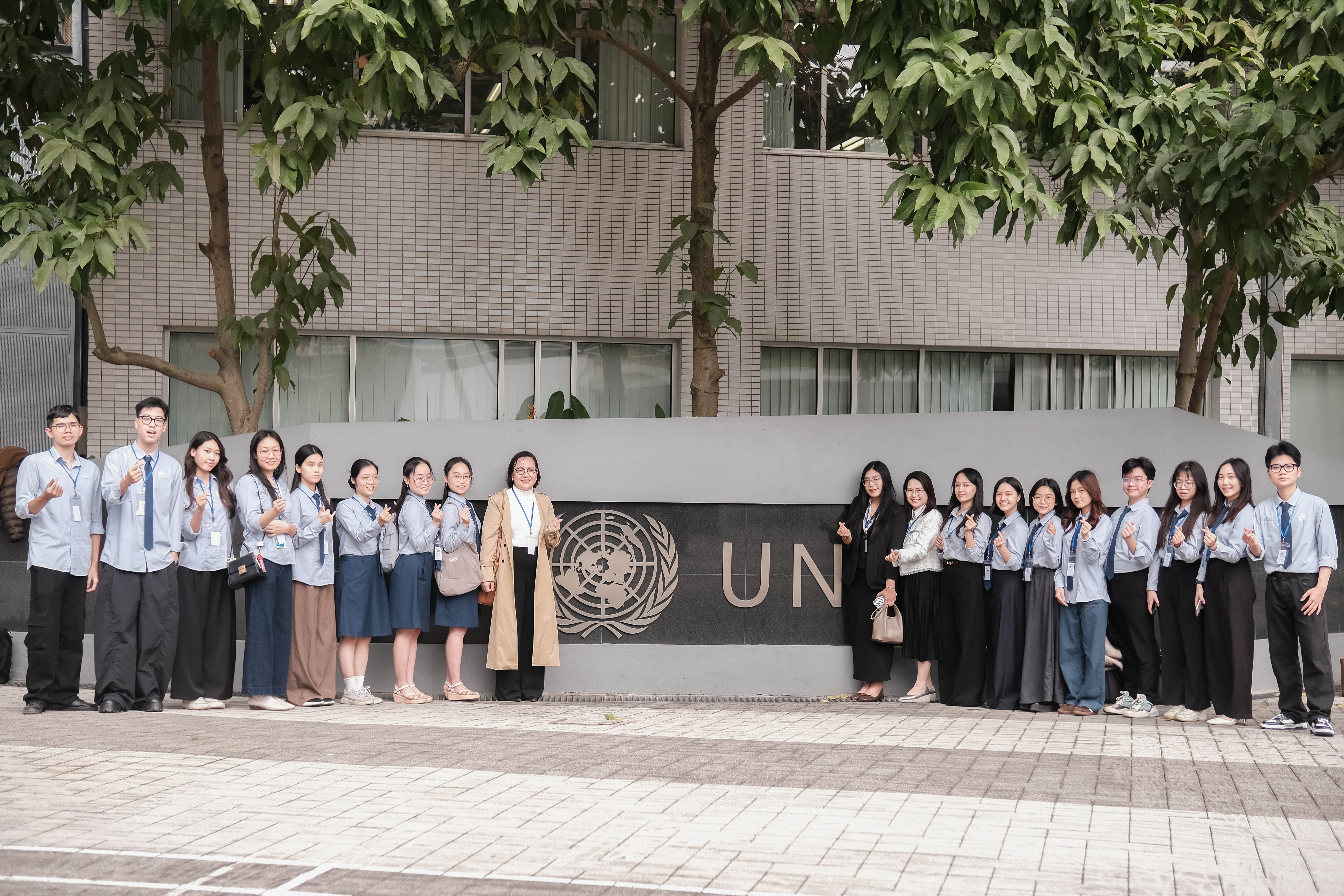
Selected as the first destination of the DAJ Tour, the Green One UN House stands as a symbol of multilateral cooperation and sustainable development in Viet Nam. During the visit, students explored an international-standard workplace while gaining insights into organizational culture and the operational principles of a “green” building. Through observation and in-depth discussions, students were inspired by the dynamic multicultural environment and developed a clearer understanding of how international organizations effectively integrate the Sustainable Development Goals (SDGs) into their daily operations.
Following the site visit and experiential learning activities, students had the opportunity to meet and engage with cultural and educational experts from UNESCO Viet Nam. Through close and practical exchanges, students gained deeper insights into UNESCO’s mission, as well as key programs that the Organization has been implementing in Viet Nam.
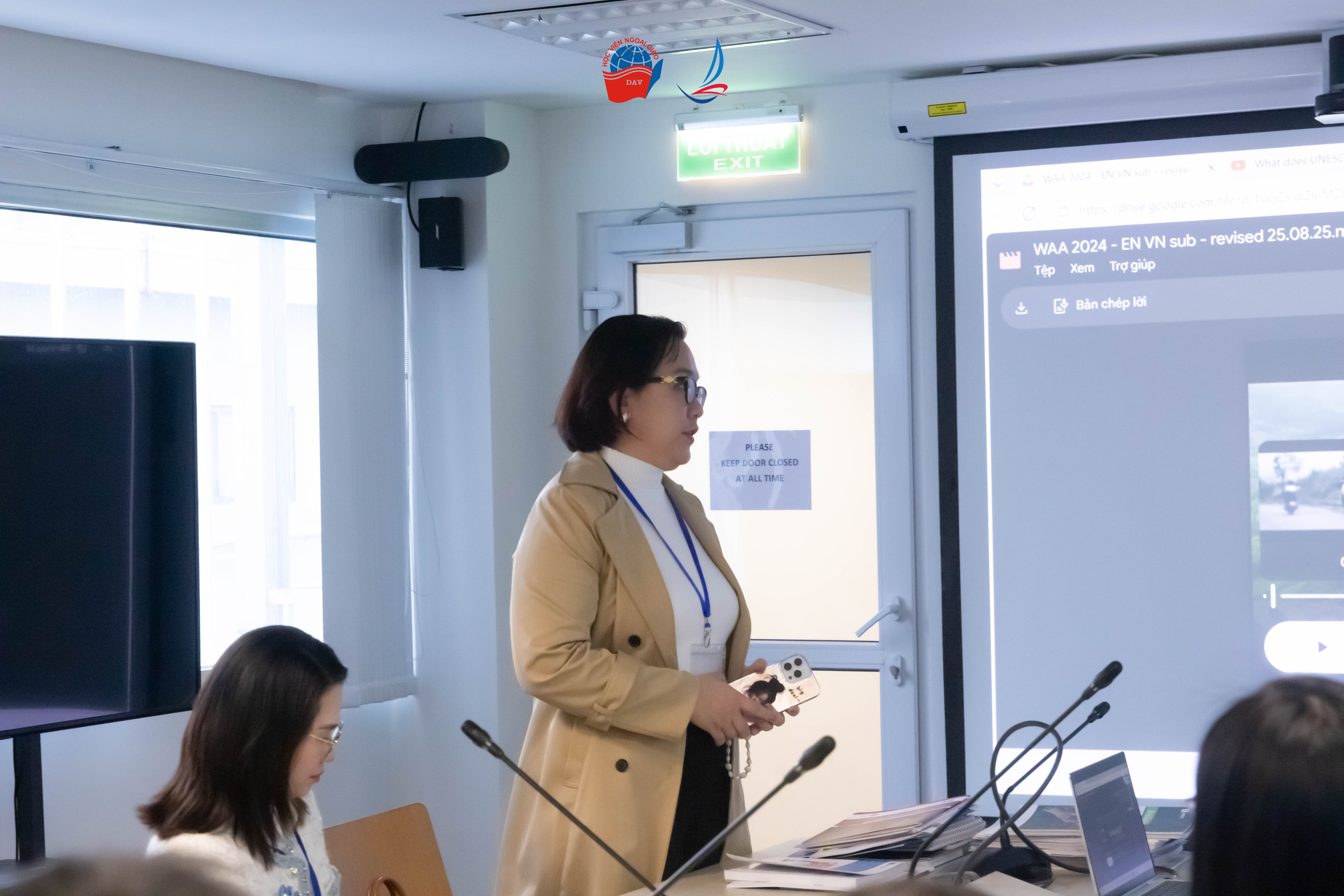
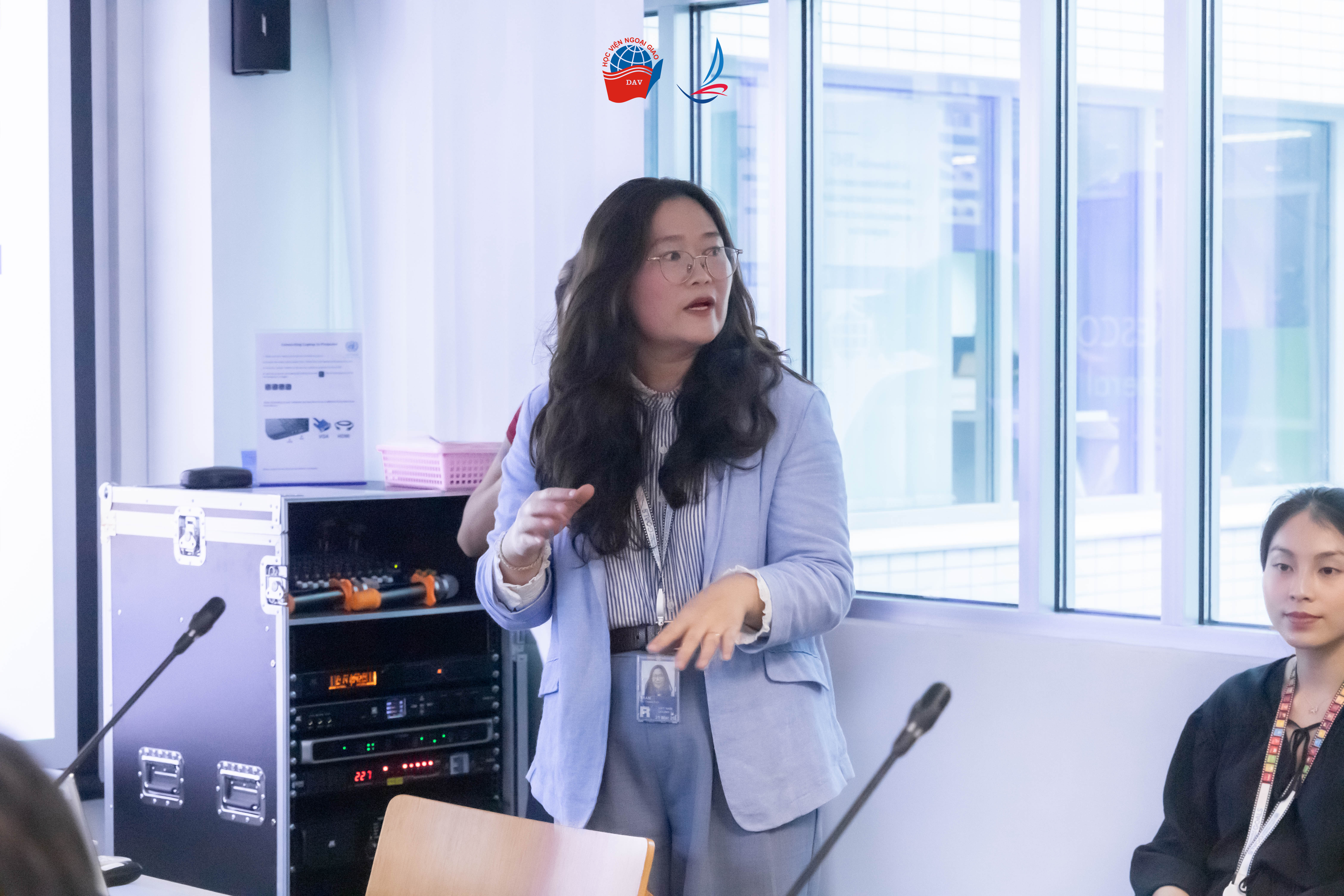
In an open and engaging discussion space, students learned in depth about the objectives, implementation approaches, and real-world impacts of several flagship UNESCO initiatives, including “We Are ABLE” - a project promoting gender equality and gender-responsive education in ethnic minority communities in provinces such as Hà Giang, Ninh Thuận, and Vĩnh Long and the “Happy Schools” initiative. In particular, through practical stories ranging from negotiation processes to expanding girls’ access to sports facilities and promoting STEM education for girls, students were able to approach and understand how dialogue, negotiation, and public policy design are applied in the implementation of development projects.
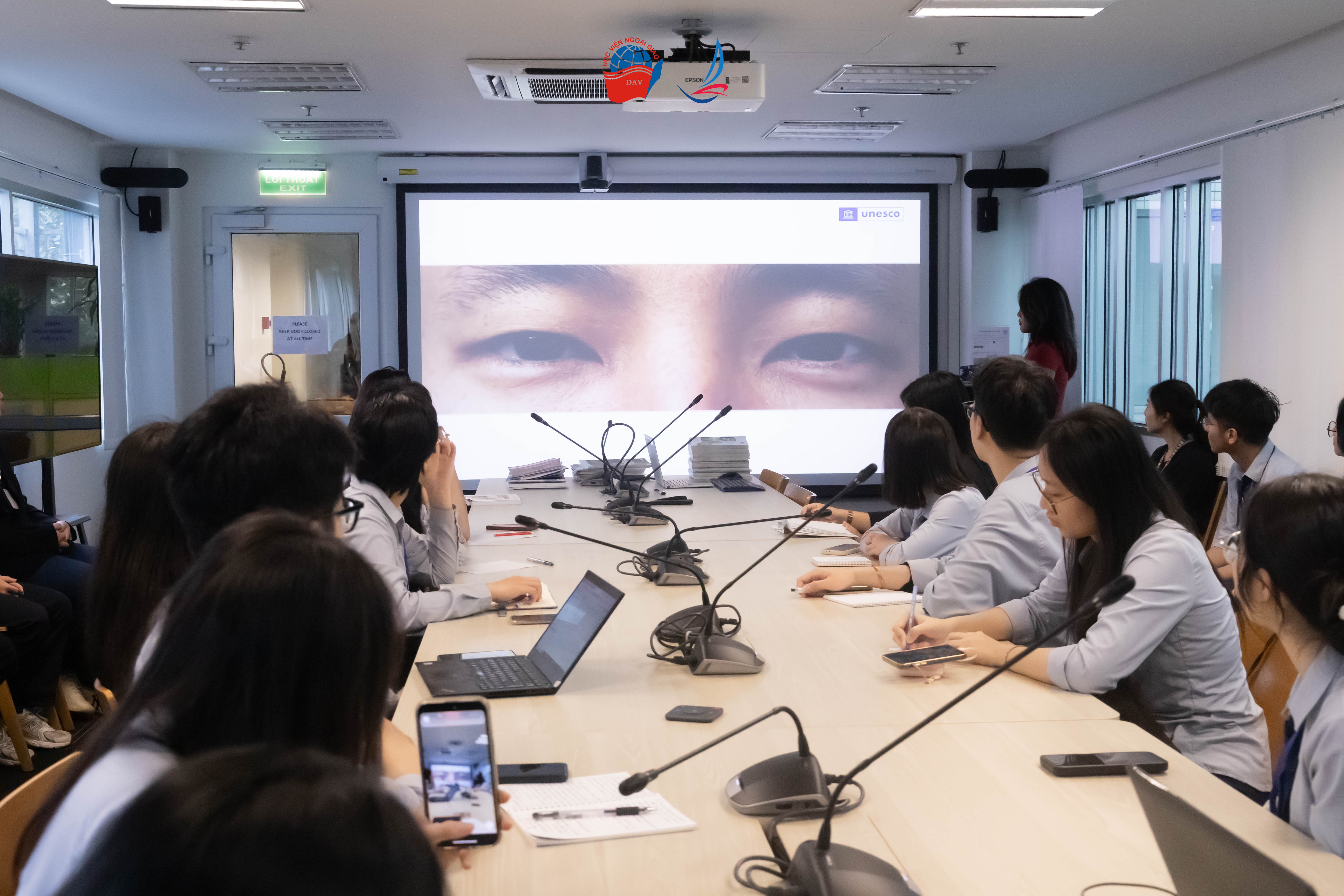
Beyond professional content, the Q&A session took place in a vibrant and interactive atmosphere, with numerous questions focusing on internship and employment opportunities for students of the Diplomatic Academy of Viet Nam at United Nations agencies in Viet Nam. An overview of recruitment processes helped students better visualize potential career pathways while encouraging self-assessment of their competencies and suitability. On this basis, students were empowered to proactively design their academic plans, cultivate essential skills, and gradually shape clear personal goals, thereby laying a solid foundation for their future careers.
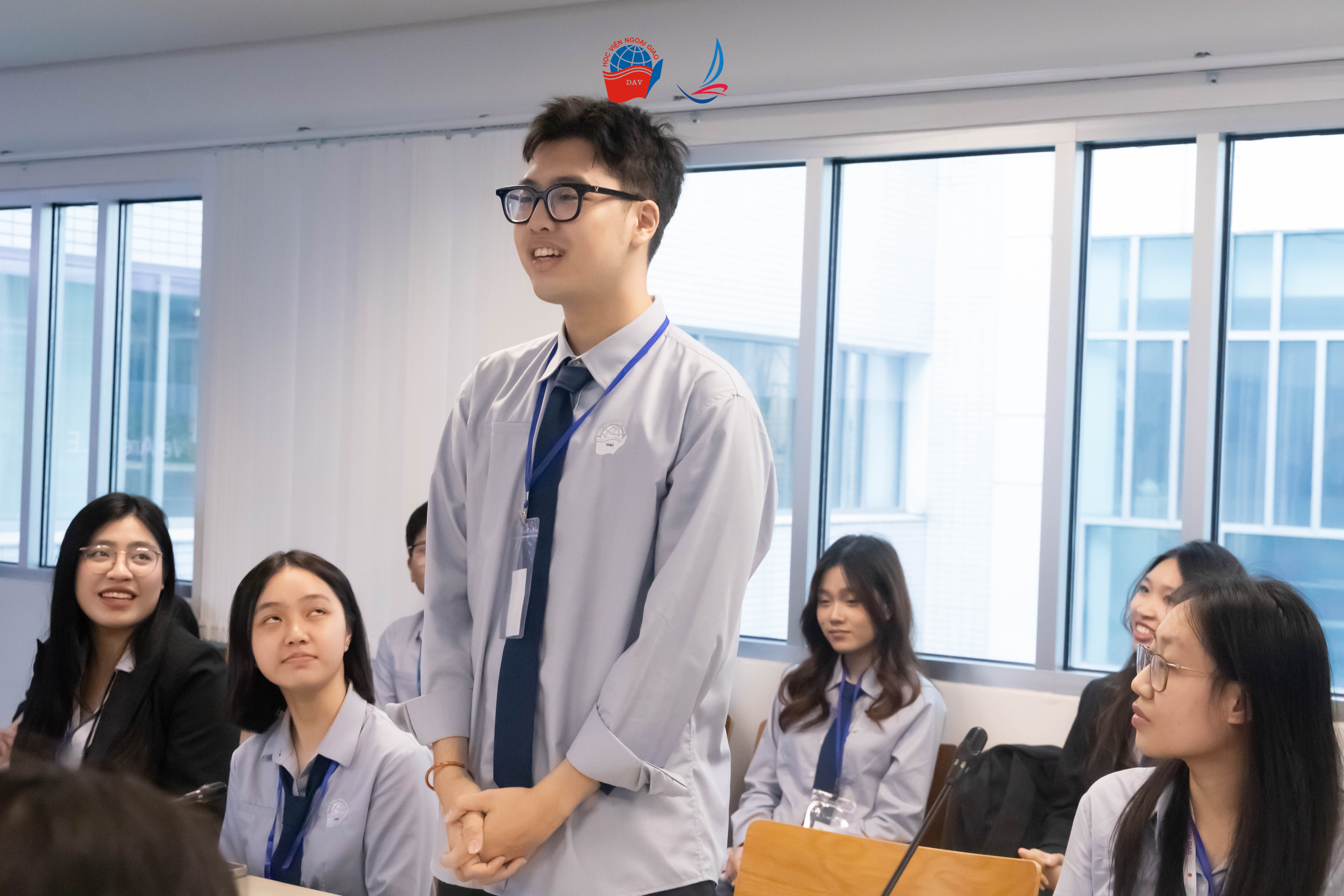

Activities at the Green One UN House, within the framework of the DAV Ambassadors’ Journey 2025, not only provided students of the Diplomatic Academy of Viet Nam with practical insights into the international working environment of a multilateral organization but also contributed to strengthening and deepening cooperative relations between the Academy and United Nations agencies in Viet Nam in general, and UNESCO in particular, especially in the fields of education, training, and youth human resource development.
In line with its orientation of closely linking theory with practice, the Diplomatic Academy of Viet Nam continuously designs and implements diverse, practical, and experience-rich learning activities. Through such initiatives, students gradually accumulate a solid knowledge base, refine their critical thinking, and build professional confidence, thereby enhancing their adaptability and proactive engagement in the international working environment. This serves as an important foundation enabling learners to confidently integrate and remain well-prepared to meet the growing demands of deeper and broader international cooperation and integration.







Copyright ® 2026 Học viện Ngoại giao - Diplomatic Academy of Vietnam | Điều kiện | Bảo mật