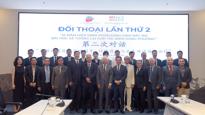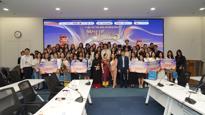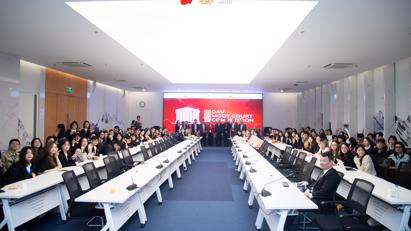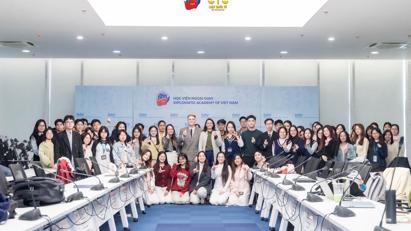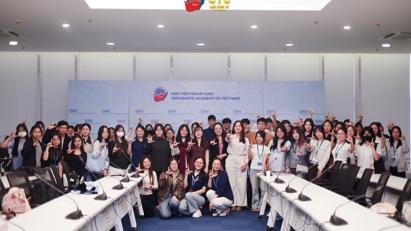


On the morning of 11 October, the Faculty of International Law successfully hosted a seminar on the Law of the Sea, focusing on “Conciliation in the Timor Sea between Timor-Leste and Australia” and “Maritime Boundary Delimitation.” The event drew strong interest from students across the Faculty, creating an engaging and lively academic environment that encouraged active participation and in-depth discussion.
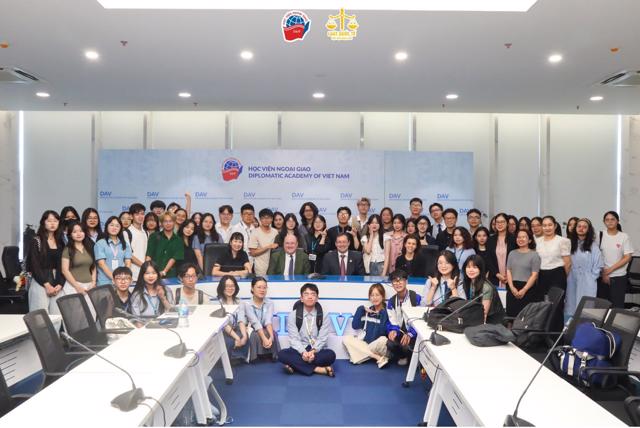
The seminar featured two distinguished speakers, Professor Stuart Kaye and Professor Clive Schofield from the Australian National Centre for Ocean Resources and Security (ANCORS). Both scholars brought extensive experience and deep expertise in international maritime law, offering participants a rare opportunity to gain first-hand insights into contemporary issues in the field. Professor Kaye and Professor Schofield provided detailed analyses of the Timor Sea conciliation process, explaining the legal frameworks, procedural mechanisms, and diplomatic considerations involved in resolving disputes between states. They also explored broader issues of maritime boundary delimitation, highlighting the complex interplay of law, geopolitics, and resource management in maritime spaces.
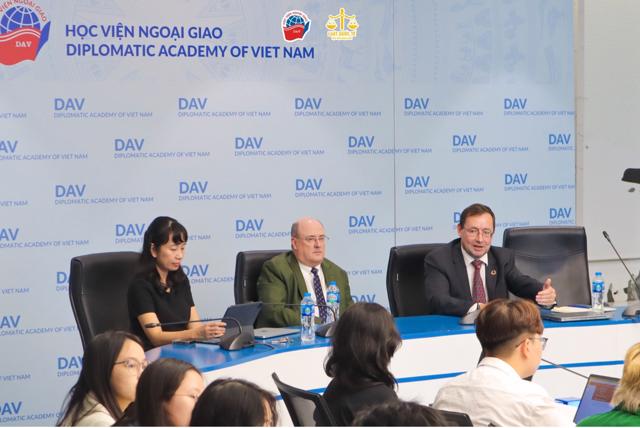
Throughout the seminar, students engaged actively, asking questions and sharing reflections, which led to dynamic discussions on topics such as dispute resolution under UNCLOS, provisional measures, and equitable approaches to resource sharing. The speakers’ presentations combined theoretical knowledge with practical examples, making abstract legal principles more tangible and illustrating how international law operates in real-world scenarios.
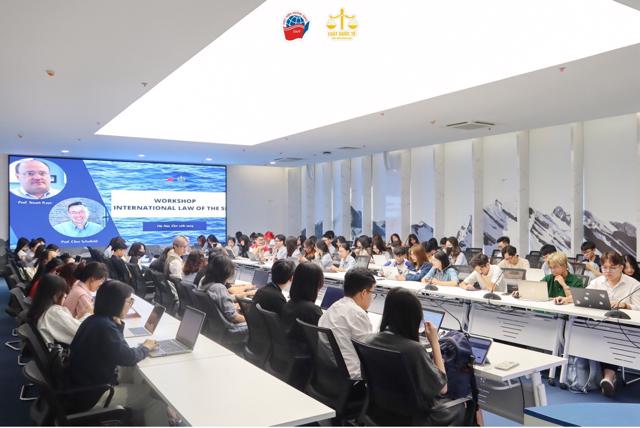
The seminar offered students valuable opportunities to broaden their understanding of dispute settlement in the maritime context, particularly regarding conciliation and negotiation processes that are less adversarial than arbitration or litigation. It also emphasized the significance of international collaboration, careful legal reasoning, and strategic diplomacy in resolving complex transboundary issues.
By attending this seminar, students not only deepened their knowledge of international maritime law but also developed critical thinking skills applicable to research, policy analysis, and potential careers in legal practice, diplomacy, or international organizations. The Faculty of International Law continues to demonstrate its commitment to fostering a vibrant academic environment that connects students with leading global experts, promoting intellectual curiosity, and preparing future legal professionals to address the challenges of an increasingly interconnected world.
This event further strengthens the Faculty’s tradition of organizing high-level academic discussions and seminars, providing students with a platform to engage directly with practitioners and scholars, and ensuring that emerging international law professionals are equipped with both the knowledge and practical insights needed to navigate complex legal and geopolitical issues at sea.





Copyright ® 2026 Học viện Ngoại giao - Diplomatic Academy of Vietnam | Điều kiện | Bảo mật